
Why Do Exotic Pets Need Specialized Veterinary Care?
Exotic animals often hide signs of illness. By the time symptoms are noticeable, the condition may already be advanced.
Routine care allows us to:
Because of this, regular veterinary visits are an important part of keeping exotic pets stable and healthy.
What Services Do You Offer for Exotic Pets?
We provide a range of services tailored to the needs of different species.
Wellness Exams
Routine physical exams help monitor health, diet, and environment. For many exotic pets, these visits are recommended every 6 to 12 months depending on the species. At home, the use of a gram scale can help keep a close eye on your pet’s weight to ensure they remain healthy between visits.
Diagnosis & Treatment of Illnesses and Injuries
Exotic pets can decline quickly when something is wrong. We evaluate symptoms, identify the cause, and develop a treatment plan based on your pet’s condition.
Spay & Neuter Procedures
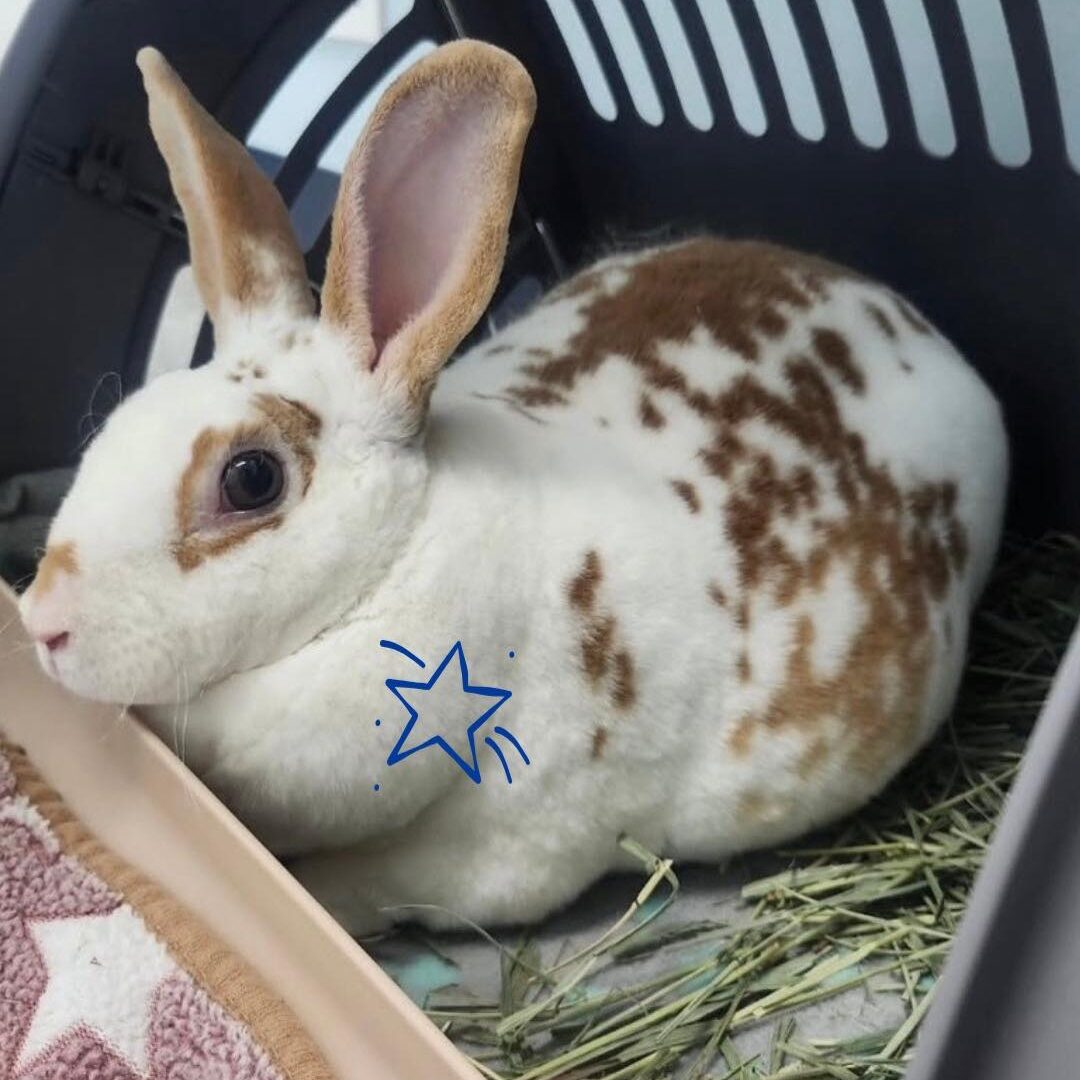
Spay and neuter surgeries are available for certain species, including rabbits and ferrets, when appropriate. These procedures can help prevent health issues and unwanted behaviors.
Dental Monitoring & Care
Many small mammals, such as rabbits and guinea pigs, have continuously growing teeth. Without proper wear, this can lead to painful dental problems. Regular monitoring and routine molar trims help prevent complications.

What Should I Expect During an Exotic Pet Visit?
Visits are tailored to your pet’s species and specific needs. We’ll review diet, housing, behavior, and any concerns you’ve noticed. A physical exam is performed, and if needed, we may recommend diagnostics or treatment options. In some cases, we may administer vaccinations or parasite prevention, depending on your pet’s species.
Because exotic care often depends on early detection, we focus on identifying subtle changes and explaining what they mean in practical terms.
Experienced Care for Unique Pets
Caring for exotic animals requires attention to detail and an understanding of how each species behaves and responds to illness. Fortunately, our experienced veterinarians are knowledgeable about the needs of exotic pets in and around Cincinnati. To ensure your pet’s continued health, we focus on keeping them in great shape by providing practical guidance for at-home care and routinely monitoring them for problems. We’re trained to recognize early signs of disease, and will offer treatment options that are appropriately suited for your pet.
If you’re looking for an exotic veterinarian in Cincinnati, OH, our team is here to help you care for your pet with confidence. Call 513-791-7912 today or request an appointment online.
Frequently Asked Questions About Exotic Pet Care
Montgomery Animal Hospital cares for birds, reptiles, rabbits, ferrets, backyard chickens, and small mammals, including guinea pigs, chinchillas, hedgehogs, sugar gliders, hamsters, gerbils, rats, and mice. If you don’t see your pet listed, call our Cincinnati team to ask about care.
Many exotic pets benefit from wellness exams every 6 to 12 months. Your veterinarian will recommend a schedule based on your pet’s species, age, and health. These visits give us a chance to monitor changes and review nutrition and housing.
Yes. Exotic pets can hide signs of illness, so changes may be difficult to notice at home. Routine exams help us identify concerns early and discuss your pet’s daily care before problems progress.
Bring any available veterinary records and details about your pet’s food, supplements, housing, and daily routine. Photos of their enclosure can help us discuss their environment. When scheduling, ask our team about transportation and whether we need anything else for your pet’s visit.
Yes. We review nutrition and housing during exotic pet visits because both affect your pet’s health. Share details about their current setup and feeding routine so we can offer guidance suited to their species and individual needs.
Yes. Rabbits and guinea pigs have continuously growing teeth and can develop painful dental problems. Dental exams allow us to evaluate their teeth and recommend care when needed.