
How Often Should Pets See the Vet
How often your pet should see a veterinarian depends on their age, species, health history, and current medical needs. Regular exams allow us to monitor changes over time and adjust your pet’s preventive care as their needs change.
We typically recommend:
You should also schedule an appointment between routine visits if you notice changes such as:
- Decreased or increased appetite
- Unexplained weight gain or loss
- Increased thirst or urination
- Lethargy or reduced activity
- Skin irritation, itching, or hair loss
- Changes in mobility
- New or unusual behaviors
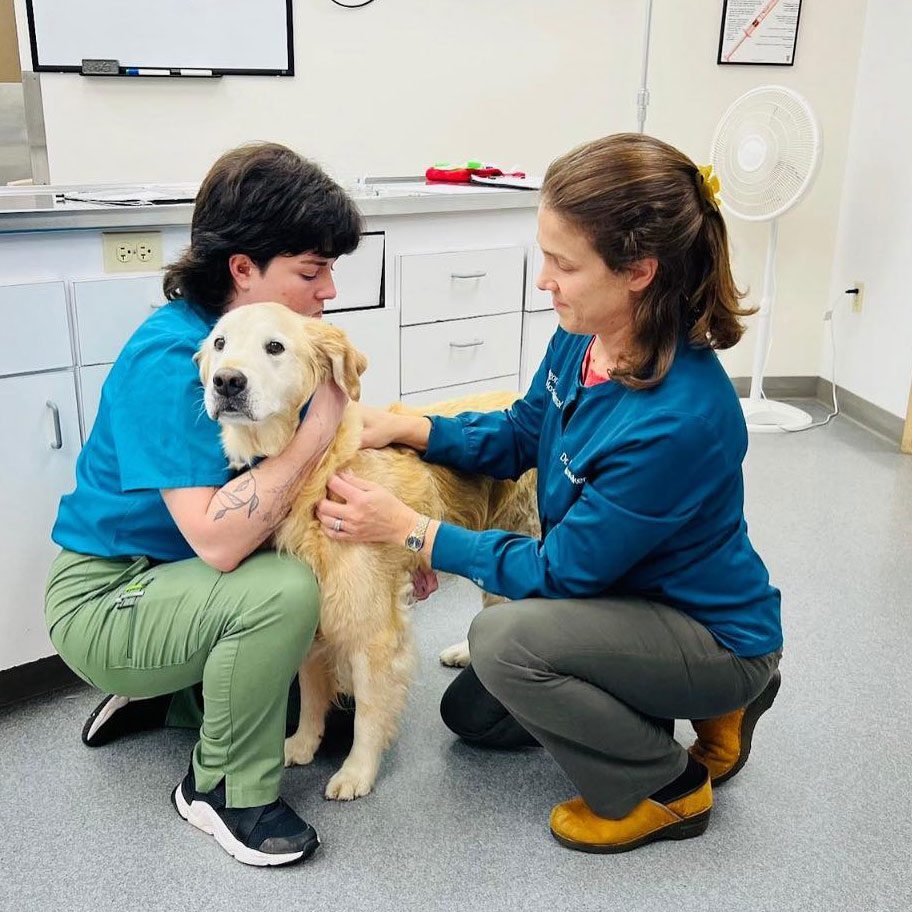
What Happens During Your Pet’s Wellness Exam
A veterinary wellness exam is a preventive visit that evaluates your pet’s current health and helps your veterinarian identify changes that may need further attention.
During your pet’s appointment, our Cincinnati veterinarians may:
We also use Fear-Free handling techniques whenever appropriate to help make veterinary visits more comfortable. Our team may recommend bringing your pet slightly hungry so treats and positive reinforcement can be used during the appointment.
Why Are Regular Pet Wellness Exams Important?
Pets cannot tell us when something feels different, and many medical conditions develop gradually. Routine veterinary exams give us an opportunity to look for physical changes and compare current findings with your pet’s previous visits.
Wellness care may help identify concerns such as:
Finding a problem earlier may provide additional options for treatment or long-term management. Just as importantly, routine visits help establish what is normal for your individual pet, making future changes easier to recognize.
Is your pet due for their next wellness exam? If so, call 513-791-7912 or book online to schedule a visit!

Frequently Asked Questions About Pet Wellness Exams
A wellness exam typically includes a complete physical examination along with a discussion of your pet’s diet, behavior, activity, vaccination status, parasite prevention, dental health, and any changes you have noticed at home. Your veterinarian may also recommend screening tests based on your pet’s age and health history.
Yes. Wellness visits are intended for pets who appear healthy as well as those with ongoing medical needs. Routine exams establish health baselines and may reveal subtle changes that are difficult to recognize at home.
Many senior pets benefit from more frequent examinations because health and mobility changes can develop more quickly with age. Depending on your pet’s condition, your veterinarian may recommend visits every three to six months.
Yes. Many exotic pets benefit from routine veterinary exams. Species such as rabbits and guinea pigs may need regular dental assessments, while birds, reptiles, and other exotic pets may benefit from species-specific discussions about nutrition, environment, husbandry, and preventive health.