
Complete Dental Care with Cat and Dog Teeth Cleaning
in Cincinnati, OH

Dental disease doesn’t usually start with obvious pain. It builds slowly under the gumline, where bacteria can cause damage long before you see signs at home.

That’s why cat and dog teeth cleaning is about more than removing visible tartar. At our AAHA-accredited animal hospital in Cincinnati, OH, every dental procedure includes full-mouth dental X-rays. This allows us to identify disease below the surface and treat problems early, before they lead to tooth loss, infection, or systemic health issues.

Stay on top of your pet’s oral health by calling us today at 513-791-7912.

What’s Happening Below Your Pet’s Gumline?

Most dental disease in pets occurs where you can’t see it. Plaque and tartar build along the gumline, allowing bacteria to move deeper into the tissues. Over time, this can lead to periodontal disease, which affects the structures that support each tooth.

As this progresses, pets may experience:

  • Chronic pain that isn’t always obvious

  • Infection in the gums and surrounding bone

  • Loose or damaged teeth

  • Bacteria entering the bloodstream and affecting the heart, liver, and kidneys

By the time visible signs appear, the disease is often advanced, which is why early detection and treatment is so important.
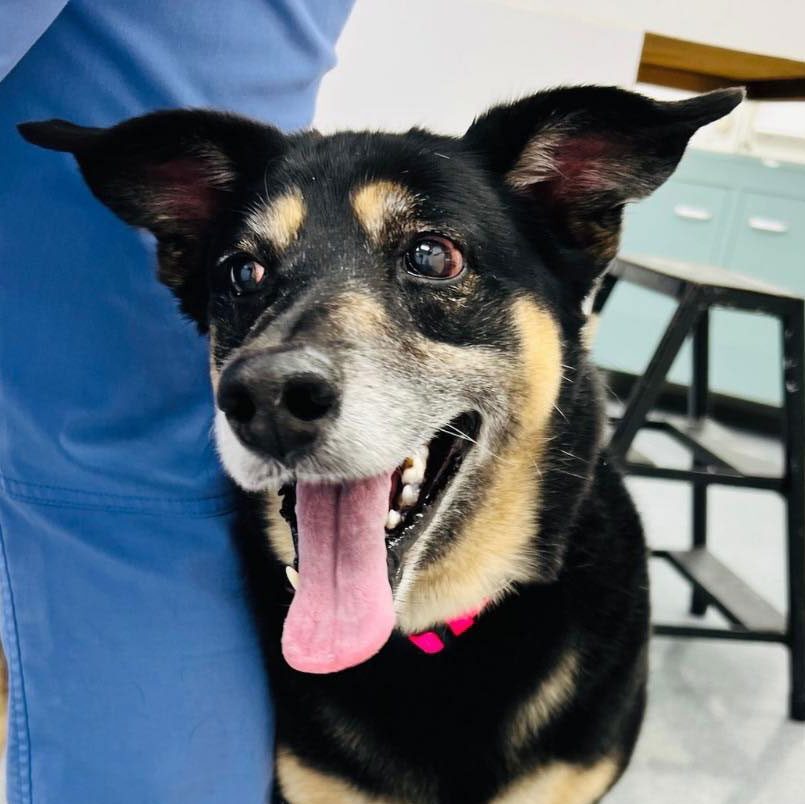
happy dog leaning against veterinarian's leg
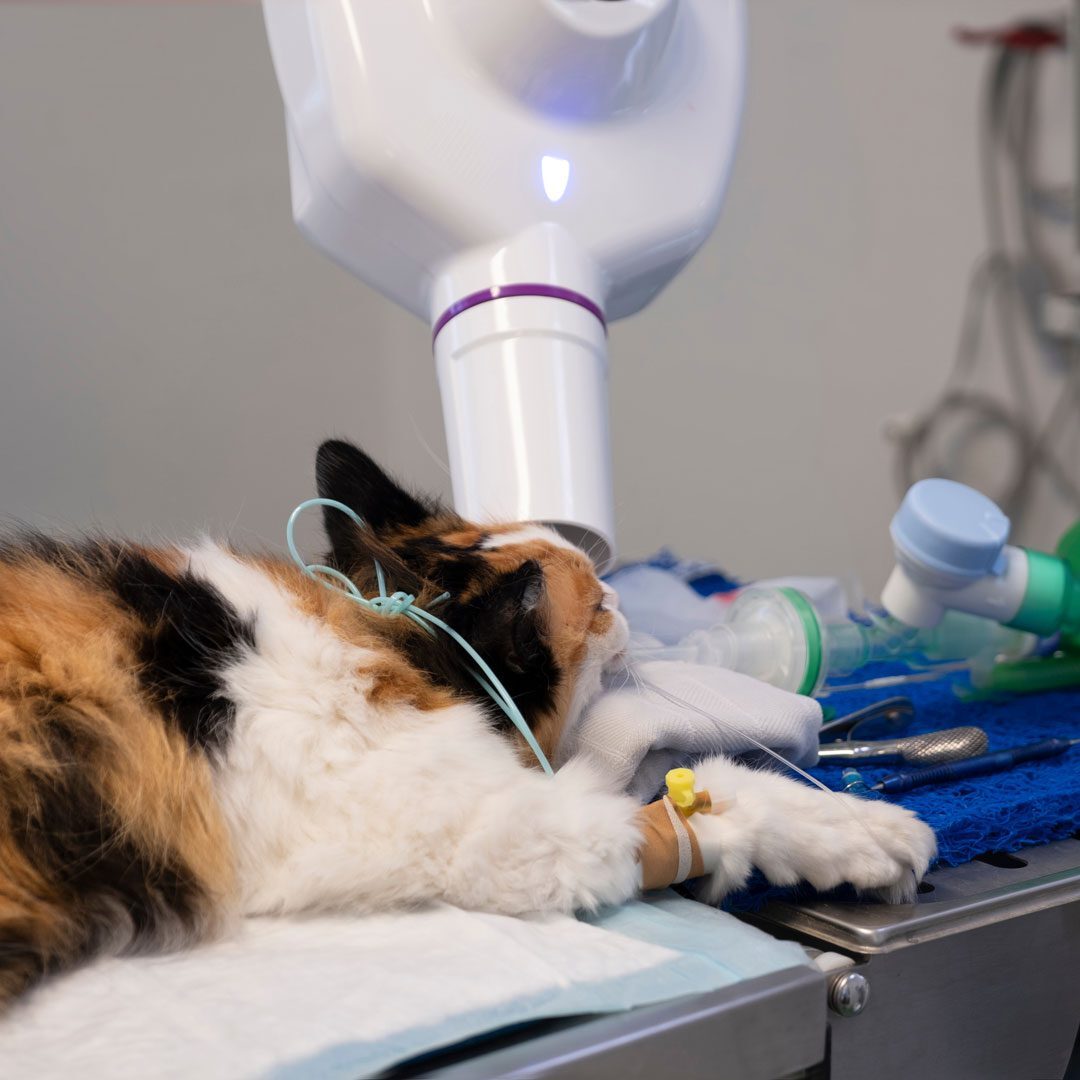
taking dental x-rays of a cat under anesthesia

Why Does My Pet Need Dental X-Rays?

Dental X-rays are a requirement for proper care. As an AAHA-accredited animal hospital, we perform full-mouth dental X-rays with every dental procedure. This is considered the standard of care because:

  • Many dental issues occur below the gumline

  • Tooth roots and bone health cannot be evaluated visually

  • Hidden infections and fractures can be detected early

  • Treatment decisions are based on complete information

Without X-rays, a large portion of dental disease can go undiagnosed.

What Happens During My Pet’s Professional Dental Cleaning?

A professional dental procedure is both diagnostic and therapeutic.

Your pet’s visit includes:

  • A full oral exam under anesthesia

  • Complete dental X-rays of every tooth

  • Removal of plaque and tartar above and below the gumline

  • Polishing to reduce future buildup

  • Treatment of diseased teeth, including extractions if needed

How Often Does My Pet Need Dental Care?

Most pets benefit from regular dental evaluations and periodic cleanings.

  • Many dogs and cats require a professional cleaning about once a year

  • Smaller breeds and certain species may need more frequent care

  • Early monitoring helps determine the right schedule for your pet

Dental care is not one-size-fits-all. Recommendations are based on what we see during exams and imaging.
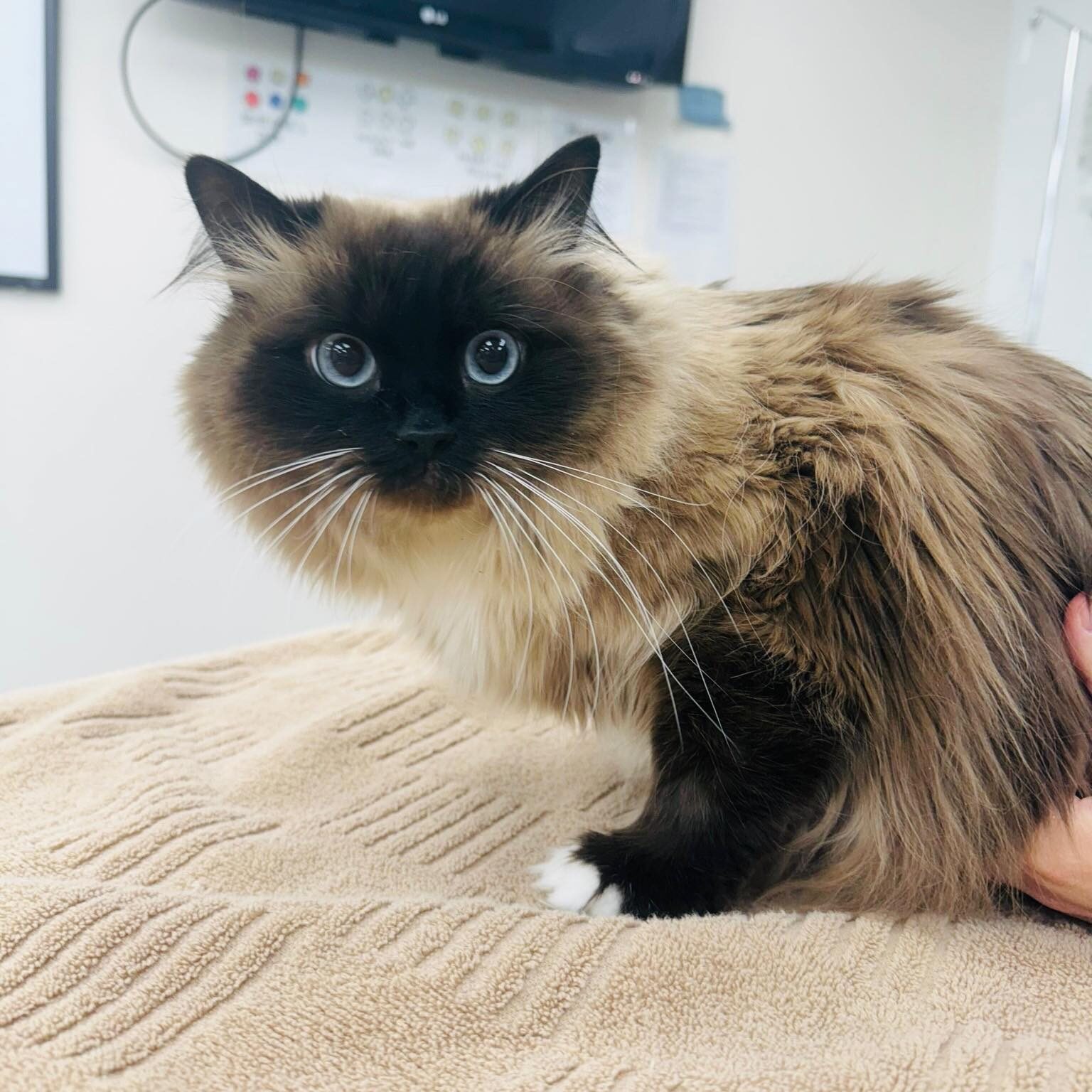
pretty Ragdoll cat at veterinary exam
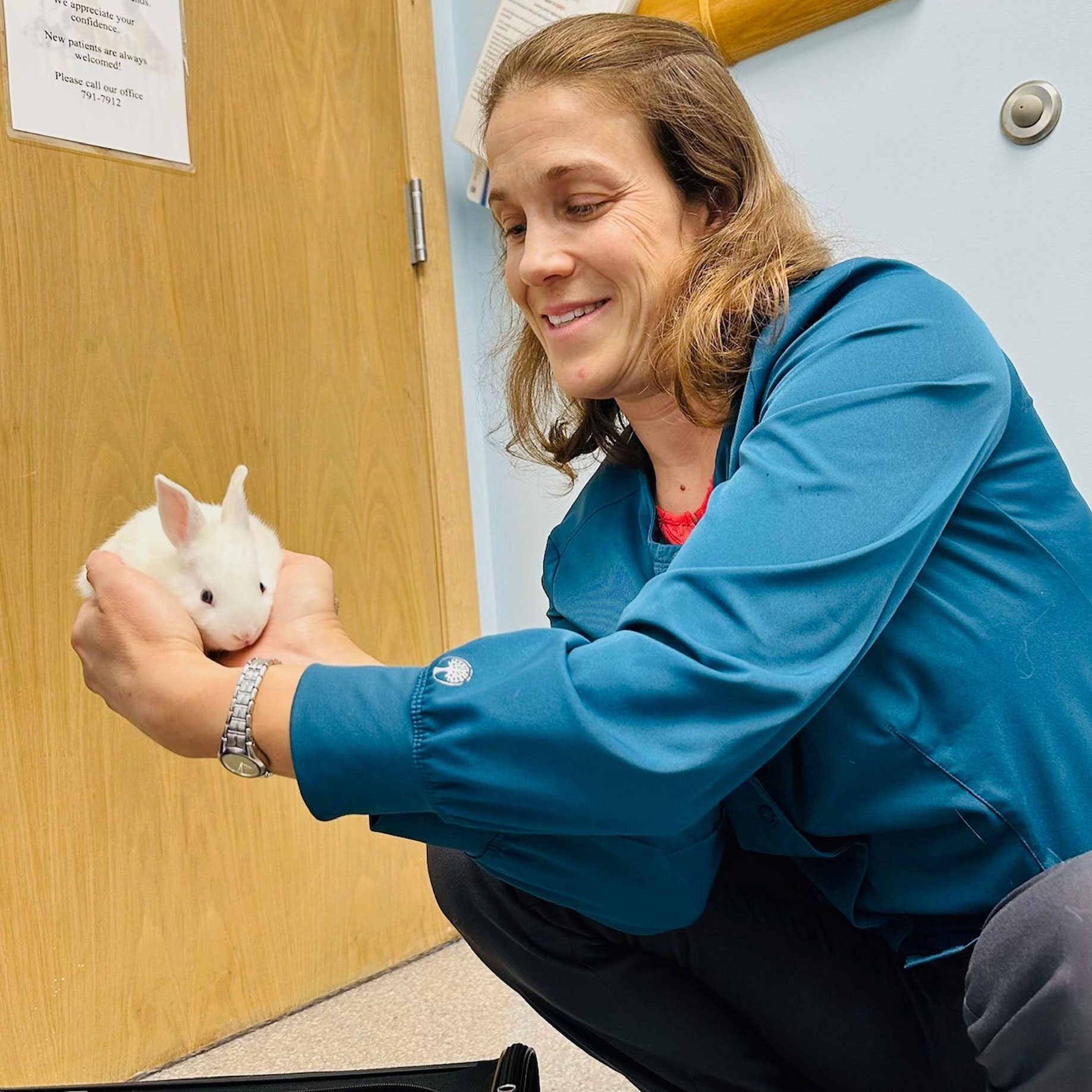
smiling female veterinarian holding small white rabbit

Does My Exotic Pet Need Dental Care?

Dental disease isn’t limited to dogs and cats. Many exotic pets, especially small mammals, require regular dental monitoring to stay healthy.

Rabbits, guinea pigs, and chinchillas have continuously growing teeth. If those teeth don’t wear down properly, they can become overgrown, misaligned, or painful. This can lead to difficulty eating, weight loss, and more serious complications over time.

We provide dental care for exotic pets, including:

  • Molar trims to correct overgrowth and restore proper alignment

  • Evaluation and treatment of dental abscesses, which can develop beneath the surface and require medical or surgical care

  • Ongoing monitoring to catch dental issues early

Because these problems can progress quickly, regular checks and early intervention are important. Subtle signs, like reduced appetite or changes in chewing, often point to dental discomfort.

What Should I Expect After My Pet’s Dental Procedure?

Most pets recover quickly and often feel noticeably better once dental disease is addressed.

After the procedure:

  • Mild grogginess from anesthesia is expected the same day

  • Softened or canned food is recommended for at least a day or two, longer if your pet had extractions

  • If extractions were needed, you’ll receive clear home care instructions

  • Appetite and behavior often improve once discomfort is relieved

  • Follow-up care may include at-home dental care recommendations

Why Dental Care Is a Core Part of What We Do

Dental care is a central part of how we keep pets healthy. Our Cincinnati veterinarians follow standards that prioritize thorough evaluation and complete care. Full-mouth dental X-rays, detailed exams, and individualized treatment plans are part of every procedure. This approach allows us to identify problems earlier, treat them more effectively, and help pets stay comfortable long-term.

If your pet has bad breath, changes in eating habits, or it’s been a while since their last cleaning, it’s time to take a closer look.

Call 513-791-7912 to schedule your pet’s dental care.