
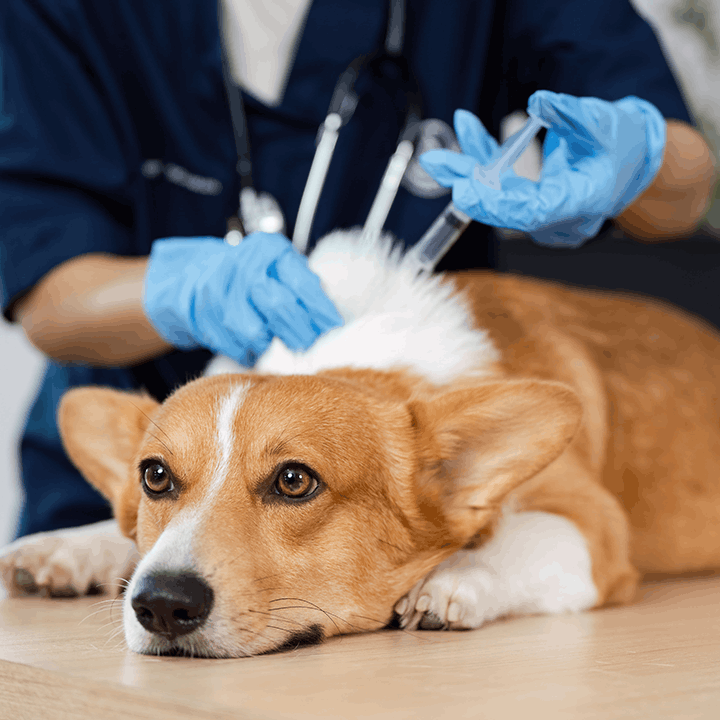
When Does My Pet Need Vaccinations?
Most pets begin receiving vaccines early in life and continue with booster vaccinations throughout adulthood. However, the exact schedule depends on your pet’s species, age, lifestyle, travel habits, and overall health.
Vaccination may be especially important if your pet:
-
Visits boarding, daycare, or grooming facilities
-
Spends time outdoors or around unfamiliar animals
-
Travels frequently
-
Lives with other pets
-
Participates in training classes or social activities
-
Has exposure to wildlife
Even indoor pets can still be exposed to contagious diseases through accidental escapes, open windows, contaminated surfaces, or contact with people and other animals.
Building a Vaccination Plan That Fits Your Pet’s Life
Vaccines are not one-size-fits-all. Every pet lives a different lifestyle, which means their risk of exposure to certain diseases can vary.
During your pet’s visit, our veterinarians evaluate several factors before recommending vaccines, including:
Age and Life Stage
Puppies and kittens need a series of vaccines to build immunity, while adult pets typically receive boosters at appropriate intervals.
Lifestyle and Enviroment
Pets who visit boarding facilities, dog parks, groomers, or outdoor areas may require additional protection.
Travel Plans
Certain vaccines are required for interstate or international travel.
Health History
We review your pet’s medical background to ensure vaccines are given safely and appropriately.
Local Disease Risks
Our recommendations reflect the diseases most commonly seen in the Cincinnati region.
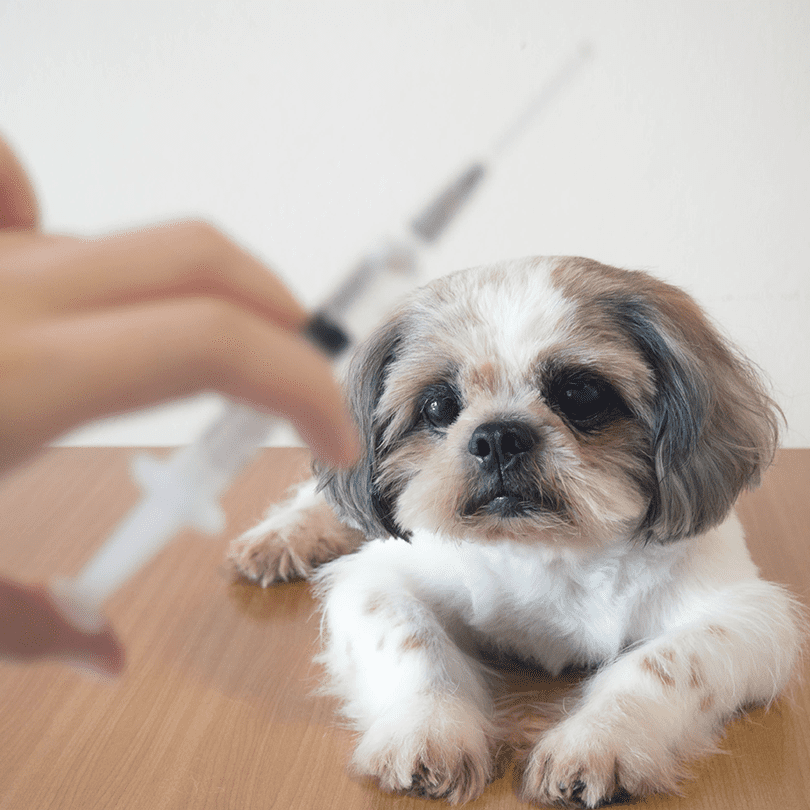
Dog Vaccine Recommendations
Vaccines help protect dogs from contagious illnesses that can spread through wildlife, other dogs, or the environment. Some of these diseases can be severe or even life-threatening.
Common vaccines recommended for dogs may include:
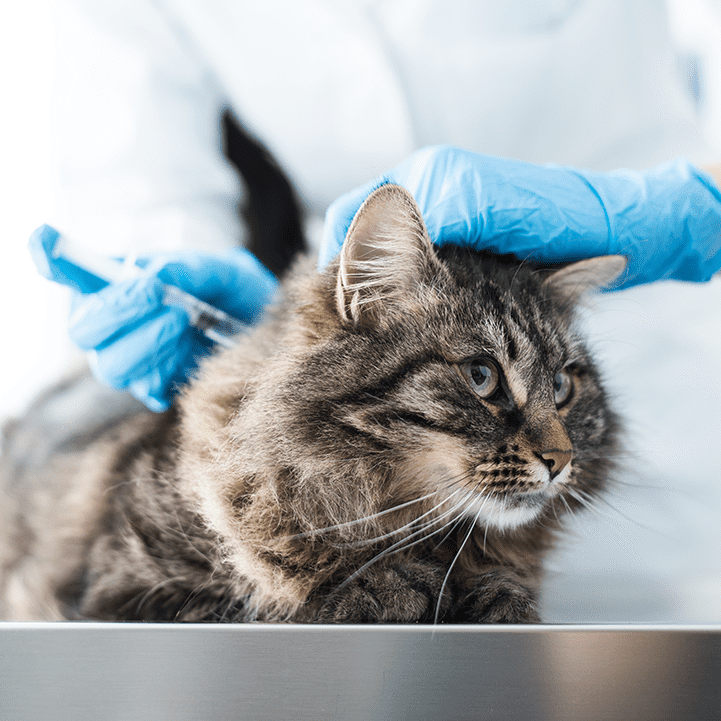
Cat Vaccine Recommendations
Cats may appear safe indoors, but vaccination still plays an important role in protecting them from contagious diseases. Even indoor cats can encounter risks through open windows, accidental escapes, or exposure brought home on clothing and shoes.
Common vaccines recommended for cats may include:
Rabbit Vaccine Recommendations
Rabbits have unique health needs, and, while they’re typically indoor pets, they can still contract serious illnesses. Vaccinating your rabbit appropriately will help defend them against preventable diseases.
At Montgomery Animal Hospital, we offer vaccination for:
Ferret Vaccine Recommendations
Ferrets have specific vaccination needs to stay protected from serious, preventable diseases. Even ferrets that live primarily indoors can be exposed to viruses through people, other pets, or the environment, making routine vaccination an important part of their care.
If you have a pet ferret, we recommend vaccinating for:
What Should I Expect After My Pet’s Vaccines?
Most pets return to normal quickly after vaccination. Some pets may experience mild, temporary side effects such as soreness at the injection site, sleepiness, or a decreased appetite for the rest of the day.
These reactions are typically short-lived and improve within 24–48 hours. During that time, it’s a good idea to give your pet a quiet evening at home and monitor them for any changes.
If you notice vomiting, facial swelling, difficulty breathing, persistent lethargy, or anything else that seems unusual, contact our team right away so we can guide you on next steps.
Personalized Vaccine Plans for Cincinnati Pets
Vaccination is not just about giving injections. It is about understanding your pet’s health, lifestyle, and long-term needs.
At Montgomery Animal Hospital, we take a thoughtful, individualized approach to preventive care. As an AAHA-accredited hospital, we follow current vaccination guidelines and tailor recommendations to each pet rather than using a one-size-fits-all approach.
Our team takes time to answer questions, explain recommendations clearly, and help pet owners feel confident about their pet’s care.
Frequently Asked Questions About Pet Vaccinations
The timing depends on your pet’s age, lifestyle, and vaccine history. Puppies and kittens require a series of vaccines early in life, while adult pets receive boosters at recommended intervals.
Yes. Indoor cats can still be exposed to contagious diseases through accidental escapes, contaminated objects, or contact with other animals.
In many cases, yes. Our veterinarians will determine which vaccines are appropriate to administer together based on your pet’s health and vaccine schedule.
Most pets experience no significant side effects. Mild fatigue or soreness may occur temporarily. Severe reactions are uncommon, but our team will discuss what to monitor at home.
Most puppies and kittens begin vaccines around 6–8 weeks of age and continue through a series of booster visits during early development.