
Does My Pet Really Need a Professional Pet Dental Cleaning?
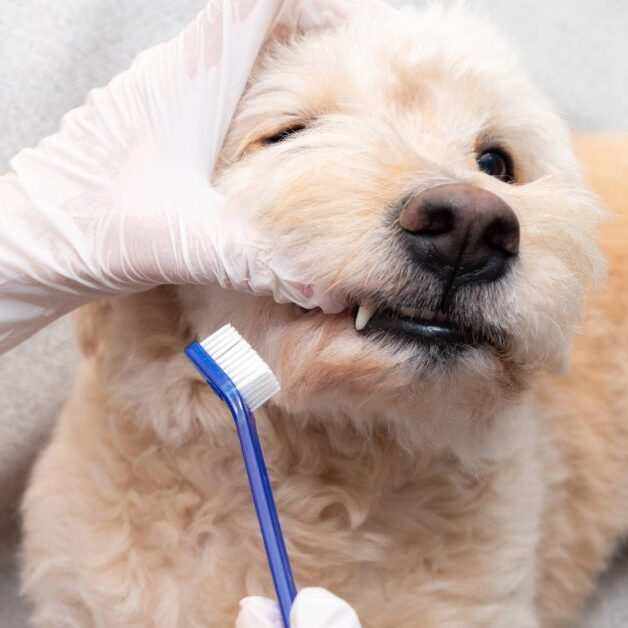
Yes, most dogs and cats need a professional dental cleaning at some point, and many need them regularly. Brushing and dental chews only reach the visible parts of the teeth, while the real trouble often builds below the gumline where you can’t see it. A pet dental cleaning performed by a veterinary team removes that hidden buildup and checks for problems that would otherwise go unnoticed.
At Montgomery Animal Hospital in Cincinnati, OH, our team sees the results of skipped dental care regularly. Pets rarely complain about mouth pain, so owners often assume everything looks fine because their pet still eats and plays. This guide answers the questions we hear most often about pet dental cleaning, from anesthesia safety to how often your pet should visit.
Is It Safe to Put My Pet Under for a Dental Cleaning?
For most pets, a dental cleaning under anesthesia is a safe and routine procedure. Veterinary teams take many precautions before, during, and after the process, and the benefits of a thorough cleaning usually outweigh the risks for healthy patients.
Why Anesthesia Matters for a Proper Cleaning
Anesthesia is what makes a complete pet dental cleaning possible. Most pets won’t hold still while a member of our team scales beneath the gumline, and even the calmest dog can’t be asked to keep its mouth open for an hour. Anesthesia keeps your pet comfortable, prevents sudden movements, and allows our team to clean every surface and probe each tooth carefully.
A breathing tube also protects your pet’s airway during the procedure. It stops water and bacteria from entering the lungs while our team works. This is one reason we don’t recommend the “anesthesia-free” cleanings offered by some groomers and salons. Those services can polish visible surfaces, but they can’t reach the areas where disease develops, and they leave the pet awake and stressed.
How Our AAHA Accreditation Protects Your Pet
Montgomery Animal Hospital is accredited by the American Animal Hospital Association (AAHA), which means we follow the highest standards of safety. Those standards shape every anesthetic procedure we perform:
- An IV catheter for every pet: Each patient receives an IV catheter, which allows fluid support during the procedure and gives the team immediate access to a vein if medications are needed.
- A dedicated monitor: One team member watches your pet the entire time, and that person is never the one cleaning the teeth. Their only job is tracking your pet’s vital signs and comfort.
- Multi-modal protocols: We combine several types of medications so each one can be given at a smaller dose, which helps minimize side effects.
How Veterinary Teams Reduce Anesthesia Risks
Safety begins before your pet ever arrives for the procedure. A pre-anesthetic exam lets the veterinarian review your pet’s age, breed, health history, and current medications. Pre-anesthetic bloodwork often accompanies that exam so the team can look at how the organs are functioning.
Once the cleaning is underway, your pet’s heart rate, oxygen levels, blood pressure, and temperature are tracked from start to finish. Recovery also gets close attention, with staff staying nearby as the anesthesia wears off.
Questions to Ask Before the Procedure
Every pet is different, so it helps to talk through your concerns with your veterinarian ahead of time. Consider asking:
- What pre-anesthetic testing do you recommend for my pet’s age and breed?
- Who will monitor my pet during the procedure?
- What should I expect during recovery?
- How will you communicate with me if you find a problem?
Older pets and those with existing conditions may need extra planning, but age alone is not a reason to avoid a needed cleaning. Untreated dental disease can pose its own risks to a senior pet’s health. Our Montgomery Animal Hospital team is always happy to walk you through the plan for your individual pet.
What Happens If I Skip Professional Dental Cleanings for My Pet?
Skipping professional dental care allows plaque and tartar to keep building, which can lead to painful gum disease, tooth loss, and infection. Dental disease is one of the most common conditions veterinarians diagnose, and it tends to worsen quietly over time.
How Dental Disease Develops
It starts with plaque, a sticky film of bacteria that coats the teeth after every meal. Within a few days, plaque hardens into tartar, which brushing can’t remove. Tartar irritates the gums and creates pockets where even more bacteria collect.
As the disease progresses, gums recede, the bone that anchors the teeth weakens, and teeth loosen. By the time bad breath or visible tartar gets your attention, the problem beneath the gumline is often well established.
Signs Your Pet May Already Have a Problem
Early dental disease is easy to miss, because the first changes are subtle. Healthy gums lie flat against the teeth with a thin, knife-edged margin. The earliest sign of trouble is a thickening of that margin, a change so slight that most owners never notice it. This stage is the only reversible one. Once disease moves deeper, the damage to the structures that support the teeth is permanent, so catching it early makes a real difference.
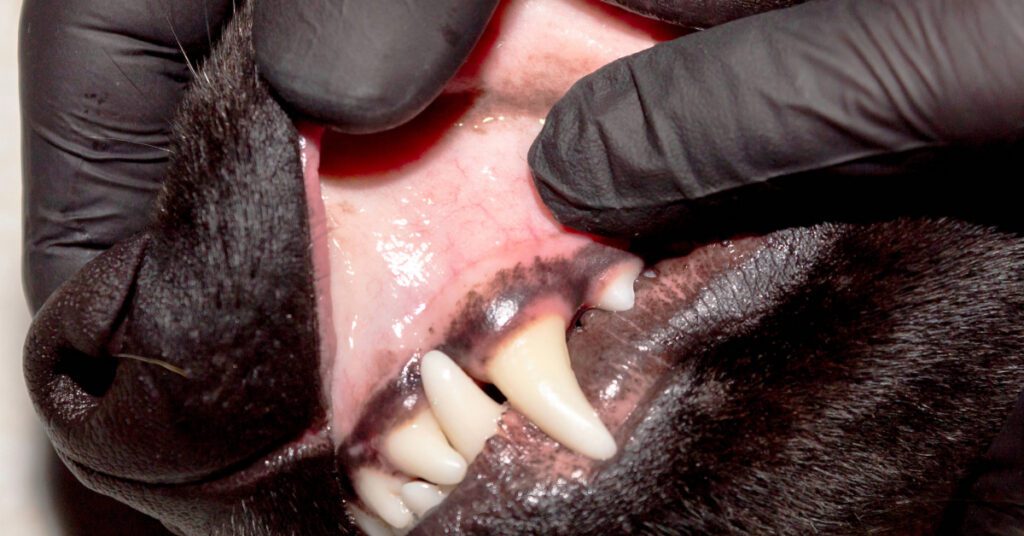
As disease builds, you may start to see:
- Persistent bad breath
- Yellow or brown buildup on the teeth
- Red, swollen, or bleeding gums
Other behaviors point to more serious trouble. Chewing on one side of the mouth, dropping food, and pawing at the mouth are signs of advanced dental disease, often with painful, rotten teeth. Pets instinctively hide discomfort, so by the time these habits appear, the problem has usually been developing for a long time. Don’t wait for these signs to schedule an exam. Your veterinarian can spot early changes in the gum margin that you can’t see at home and can tell you what your pet needs.
Effects Beyond the Mouth
Bacteria from the mouth can enter the bloodstream through inflamed gums. Veterinary research links advanced dental disease to concerns involving the heart, liver, and kidneys. Mouth pain also affects quality of life, since a pet who hurts when chewing may eat less, act irritable, or withdraw from family activities. Catching dental disease early usually means simpler care and lower costs. Waiting often means extractions and more complex treatment.
Can I Just Clean My Pet’s Teeth at Home Instead of Going to the Vet?
Home care is valuable, but it can’t replace a professional pet dental cleaning. Think of it the way you think of your own dental routine: brushing daily helps, yet you still visit the dentist for cleanings and exams.
What Home Dental Care Can Do
Daily brushing with a pet-safe toothpaste is the gold standard for slowing plaque buildup. Never use human toothpaste, which can contain ingredients that harm pets. Many dogs and cats accept brushing when you introduce it gradually and reward them along the way.
Dental chews, water additives, and specially formulated diets can support your efforts. Look for products carrying the Veterinary Oral Health Council (VOHC) seal, which indicates the product met standards for reducing plaque or tartar. Home care works best as maintenance after a professional cleaning has given your pet a clean start.
What Home Care Can’t Do
Home care can’t remove hardened tartar, and it can’t clean below the gumline. It also can’t reveal what’s happening inside the mouth. A professional visit includes a full oral exam, and many cleanings include dental X-rays that show tooth roots and jawbone. Roughly two-thirds of a tooth sits below the gumline, so an exam that only covers what you can see misses most of the picture.
Why DIY Scraping Is a Bad Idea
Some owners are tempted to scrape tartar off with a tool at home. We advise against it. Scraping can damage enamel, injure the gums, and leave microscopic grooves that attract more plaque. It also can’t address the disease under the gums. If you’re concerned about your pet’s teeth, bring your pet in to Montgomery Animal Hospital so one of our veterinary professionals can assess them safely.
How Often Do Dogs and Cats Actually Need a Professional Dental Cleaning?
Most pets benefit from a professional dental cleaning about once a year, though the right schedule depends on your pet’s size, breed, age, and oral health. Your veterinarian will recommend a timeline after examining your pet’s mouth.
Factors That Change the Schedule
Small and toy breed dogs, such as Yorkies, Chihuahuas, and Dachshunds, often develop dental disease earlier because their teeth sit close together in small jaws. Flat-faced breeds like Pugs, Bulldogs, and Persian cats can also have crowded teeth that trap debris. Larger dogs may go a bit longer between cleanings, though they aren’t immune to disease.
Age matters too. Dental problems become more common as pets get older, and a pet with existing gum disease may need more frequent visits. Genetics, diet, and whether you brush at home all play a role as well.
What Regular Dental Exams Catch
Your pet’s annual wellness exam includes a look at the mouth, which helps your veterinarian decide when a cleaning is due. Regular visits allow our team to spot:
- Early gingivitis before it progresses
- Cracked or worn teeth
- Growths or masses in the mouth
- Loose teeth that need attention
Starting a Dental Plan Early
Young pets are a great place to begin. Starting brushing habits in puppyhood or kittenhood, and scheduling the first cleaning before serious disease appears, sets your pet up for healthier teeth over a lifetime. It’s never too late to begin, though, and adult and senior pets benefit from a fresh start as well.
Give Your Pet a Healthier Smile at Montgomery Animal Hospital
A clean mouth does more than freshen your pet’s breath. It supports comfort, appetite, and overall well-being for years to come. If you’ve wondered whether your dog or cat needs a professional dental cleaning, the best next step is an exam with your veterinarian who can look at your pet’s teeth and gums and recommend a plan.
Montgomery Animal Hospital serves pet owners throughout Cincinnati, OH, and our team would love to help your pet feel their best. Whether your companion is a playful puppy, a middle-aged cat, or a distinguished senior, we’ll explain each recommendation in plain language and answer your questions along the way. Request an appointment online to schedule your pet’s dental exam today.
Recent Posts
About Us
At Montgomery Animal Hospital in Cincinnati, OH, we provide AAHA-accredited care that combines advanced medicine with generations of trusted relationships. We’re committed to helping pets of all kinds live healthy, happy lives.