
Why Is My Dog’s Breath So Bad All of a Sudden?
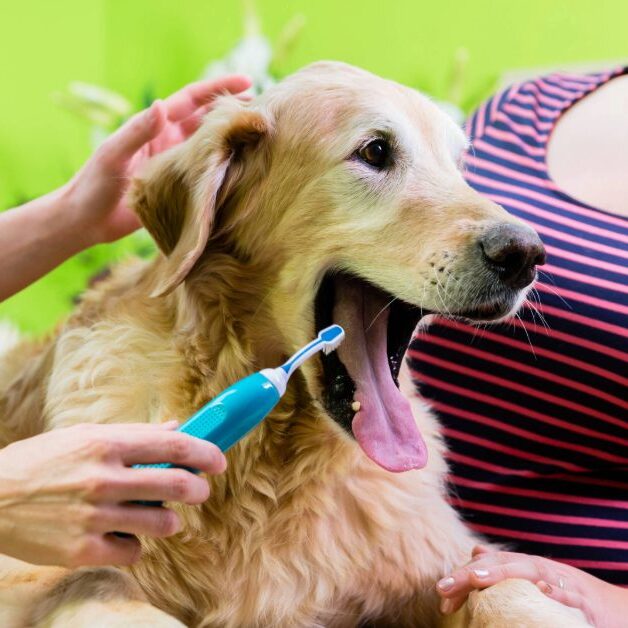
A sudden appearance of bad dog breath usually means something has changed in your dog’s mouth, gut, or overall health. Dental disease is the leading suspect, but a scavenged snack, a lodged object, or an internal illness can create the same smell. If a whiff makes you lean away from a doggy kiss, it’s worth investigating.
Owners at Montgomery Animal Hospital in Cincinnati, OH often tell us the same story: the odor seemed manageable on Monday and unbearable by Friday. The timing and the type of smell both offer clues. Below, we cover the likely culprits, the red flags that call for urgent help, and the everyday habits that support a fresher mouth.
Could Sudden Bad Breath Mean My Dog Has a Serious Dental Infection?
It can. Infected teeth and gums are the most frequent source of bad dog breath, and an abrupt change often signals that an existing problem has flared.
Where the Odor Comes From
Bacteria that live on tartar release sulfur-based gases, and those gases carry a distinctly rotten smell. As buildup thickens, the gums pull away from the teeth and leave small pockets that trap food and germs. A tooth root abscess, which is a pus-filled pocket at the base of a tooth, can produce a foul odor almost overnight while the visible part of the tooth looks perfectly normal.
Clues That Teeth Are the Source
Odor from a mouth infection tends to arrive with company. Watch for:
- Puffy, reddened gum edges
- Crusty tartar along the back molars
- Extra drool, sometimes tinged pink
- Dropping kibble or favoring one side while eating
- A bump beneath the eye or along the jaw
- A sudden dislike of head or face petting
Even one of these signs alongside a new smell is enough reason to book a visit. Your veterinarian can look inside the mouth and, when needed, use dental X-rays to see what’s happening beneath the gums.
Why Waiting Rarely Helps
Mouth infections seldom fade without treatment. They can spread into nearby tissue, weaken the jawbone, and cause steady pain. If the smell has lingered for more than a few days, an exam is the wisest next step.
What Health Issues Besides Gum Disease Cause Bad Dog Breath?
Yes, several conditions outside the teeth can change the way a dog’s breath smells. When the mouth looks clean but the odor sticks around, your veterinarian will widen the search to the rest of the body.
Things Dogs Eat and Roll In
Dogs investigate the world with their mouths. A raid on the trash, a snack of something dead, or a taste of stool can leave a lasting stench. New foods and treats sometimes shift the smell for a few days too. Tummy trouble can add to the problem, since digestive upset may send unpleasant odors up from the stomach.
Odors Linked to Internal Conditions
Veterinarians have long noticed that certain breath smells go hand in hand with particular illnesses:
- A sweet, fruity scent may relate to diabetes
- A sharp, ammonia-like scent may relate to kidney trouble
- A harsh, musty smell with yellow-tinged gums or eyes may relate to liver disease
A smell cannot diagnose anything by itself. It simply points your veterinarian toward the right tests, such as bloodwork and urine analysis.
Oral Growths and Stuck Objects
A splinter wedged between teeth, a bone fragment caught in the gums, or a growth on the tongue or cheek can all trigger a strong odor. Growths may bleed or become infected, which intensifies the smell. Because these problems hide in corners you can’t easily see, a professional look inside the mouth is the reliable way to find them.
Why Sniffing Isn’t Diagnosing
With so many possible causes behind bad dog breath, guesswork rarely lands on the right answer. A full physical exam, a careful oral check, and sometimes lab work let our team at Montgomery Animal Hospital identify the source and recommend an appropriate plan.
When Is Stinky Dog Breath a Sign of a Medical Emergency?
Foul breath turns into an emergency when it comes with serious symptoms such as labored breathing, repeated vomiting, collapse, or rapid facial swelling. The odor alone seldom qualifies, but the symptoms around it can.
Symptoms That Call for Immediate Help
Contact Montgomery Animal Hospital or a local emergency hospital right away if bad dog breath appears alongside any of these:
- Trouble breathing or persistent gagging
- Vomiting or diarrhea that keeps repeating
- Collapse or extreme weakness
- Refusal to eat or drink
- Swelling that spreads across the face or muzzle
- Gums that look pale, yellow, or bluish
- A dramatic rise in thirst and urination
Any of these suggests the problem reaches beyond the teeth. If you can, phone ahead so our team can prepare for your arrival.
Changes That Deserve a Same-Day Call
Some situations fall between “wait and see” and “rush in.” If the smell appeared quickly and your dog also seems quieter than normal, eats less, or pulls away when you touch the mouth, contact your veterinary team that day. They can help you decide whether your dog needs to come in immediately or at the next available appointment.
Details Worth Sharing With Your Vet
A few notes make the visit more productive. Jot down when the smell started, whether your dog got into anything unusual, and any shifts in appetite, thirst, or energy. Bring a list of medications and supplements as well.
How Can I Fix Bad Dog Breath at Home?
You can’t treat the root cause of bad dog breath at home, but daily habits can help prevent odor and protect your dog’s mouth once a veterinarian has ruled out a medical problem. Consider home routines a supporting player, not the star of the show.
Start With a Daily Brushing Habit
Regular brushing does more to slow plaque than any other household step. Ask your veterinarian which toothpaste and brush suit your dog, and introduce them gradually with plenty of praise. Short, positive sessions build cooperation over time.
Choose Products With Proof Behind Them
The pet aisle is crowded with dental chews, sprays, and additives, and not all of them work. Your veterinarian can point you toward items that have earned the Veterinary Oral Health Council seal, which signals that independent testing showed a benefit. Very hard chews, including antlers and real bones, can fracture teeth, so it pays to check with your veterinarian before handing one to your dog.
Recognize the Limits of Home Care
Sprays and mints may cover up a smell for an hour or two, but they leave the source untouched. Once tartar has hardened or infection has set in, only a veterinary team can address it. Please avoid trying to remove buildup or treat a suspected infection yourself, since well-meant attempts can hurt your dog. When the smell is new, strong, or stubborn, an exam is the right place to begin.
Let Montgomery Animal Hospital Sniff Out the Cause
A sudden change in your dog’s breath is your dog’s way of telling you to look closer, and the mystery doesn’t have to last long. Whether the trigger is a troublesome tooth, a questionable snack, or a condition that needs deeper investigation, a veterinary exam brings clarity and a clear path forward.
Montgomery Animal Hospital welcomes dogs and their families across Cincinnati, OH. Our team will examine your dog from nose to tail, explain what we find in everyday terms, and suggest next steps tailored to your companion. If bad dog breath has you holding your nose, request an appointment online and let us help your best friend feel comfortable again.
Recent Posts
About Us
At Montgomery Animal Hospital in Cincinnati, OH, we provide AAHA-accredited care that combines advanced medicine with generations of trusted relationships. We’re committed to helping pets of all kinds live healthy, happy lives.