
What Is This Red Line on My Cat’s Gums?
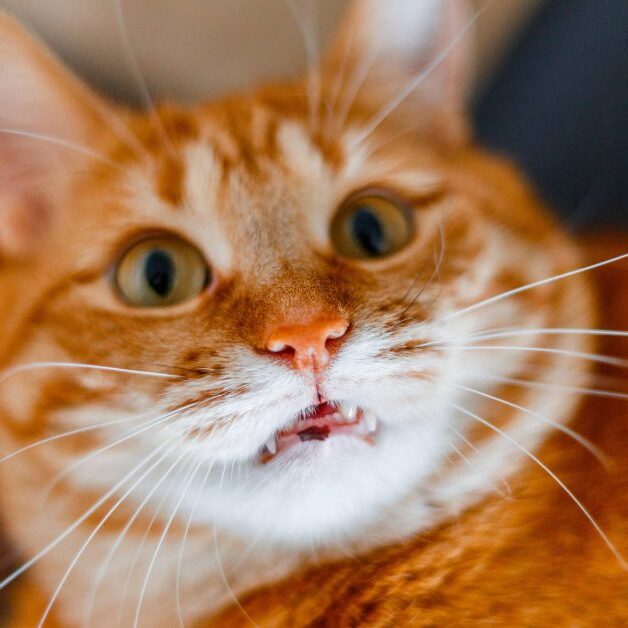
A red line along your cat’s gumline is a classic sign of gingivitis in cats, an inflammation of the gum tissue caused by plaque bacteria. It often shows up as a thin, bright band where the gum meets the tooth. Other conditions can look similar, so a veterinary exam is the only way to know what is really going on. Cat owners tend to spot this line by accident, usually during a yawn, a big stretch, or a chin scratch. At Montgomery Animal Hospital in Cincinnati, OH, we see cats whose families didn’t realize anything was wrong, because felines are experts at hiding mouth pain. This blog covers what the red line means, why gums become inflamed, whether the damage can be undone, and how to tell a routine appointment from an urgent one.
Is a Red Line on a Cat’s Gums a Definite Sign of Gingivitis?
Not always, but it is the most common explanation. A crisp red border along the teeth is the textbook look of gingivitis in cats, yet a few other problems can produce a similar appearance.
What the Line Typically Looks Like
Healthy cat gums are pale pink and fit snugly around each tooth. With gingivitis in cats, the edge closest to the tooth turns red and may look slightly swollen or shiny. Early on, the line can be so thin that you’d miss it without a good look. Milder cases may show it only near the back teeth or the upper canines.
Other Conditions That Can Mimic It
Several problems can leave red gums behind, and a veterinarian sorts them out through an exam. Stomatitis, a severe inflammation that spreads across the back of the mouth, can look similar. So can reactions to viral infections common in cats, mouth ulcers, growths, and foreign material lodged along the gumline. One of the most important look-alikes deserves its own explanation.
Tooth Resorption: When a Tiny Red Dot Hides a Hole
Feline tooth resorption, sometimes called resorptive disease, is a condition in which the body gradually breaks down the structure of a tooth. Over time, this creates a hole, or lesion, in the tooth. These lesions are common in cats, and they hurt. The tricky part is how little you may see. The most common outward sign is a tiny red dot or small red patch on the gum, often next to one of the lower premolars. Gum tissue can grow over the defect, so the dot may be the only clue that a tooth is breaking down underneath. Many cats keep eating and acting like themselves, which leads owners to assume nothing is wrong. Cats are experts at hiding discomfort, so a normal appetite does not mean a comfortable mouth.
Your veterinarian can find resorption through a careful oral exam, but the full picture requires dental X-rays. Images show how far the damage extends into the tooth and root, which is information you cannot get by looking inside the mouth. Because affected teeth are painful and the damage does not heal, removing them is the treatment of choice. Extraction relieves the pain, and cats typically adjust well to life without a problem tooth. Our Montgomery Animal Hospital team will explain what the X-rays show and walk you through the recommendation for your cat.
Why Looking Isn’t Enough
Color offers only a partial picture. A thin red line may mean gingivitis in cats, while a single red dot may signal a hole in a tooth, and the two call for very different care. What matters is how deep the problem runs and whether the tooth roots are involved, which requires a hands-on exam and often dental X-rays. A cat who allows you a peek is not necessarily a cat without pain, so treat any red line or red spot as a reason to schedule a visit.
What Causes Cats to Develop Inflamed, Red Gums?
Plaque is the leading trigger. When bacteria collect along the gumline and stay there, the body’s immune response inflames the surrounding tissue, and that inflammation creates the red border you see.
The Plaque and Tartar Cycle
Plaque forms on a cat’s teeth within hours of eating. If nobody removes it, minerals in saliva harden it into tartar within days. Tartar’s rough surface attracts even more bacteria, and the gums react by swelling and reddening. This loop explains why gingivitis in cats tends to worsen quietly unless someone interrupts it.
Risk Factors Worth Knowing
Some cats are more prone than others. Factors that can raise the odds include:
- Older age
- Crowded teeth, which is common in flat-faced breeds
- Diets that leave soft residue on the teeth
- Weakened immunity from viral illnesses
- Other health conditions that affect the mouth
- Lack of routine dental care
What About Genetics and Immunity?
Certain cats seem to mount an outsized reaction to even small amounts of plaque, and some breeds have a reputation for gum trouble. Cats with feline leukemia virus or feline immunodeficiency virus may struggle more with oral inflammation. Your veterinarian can discuss testing if the pattern of disease raises questions, and our Montgomery Animal Hospital team tailors its recommendations to your cat’s history.
Can Cat Gingivitis Be Reversed, or Will It Turn Into Periodontal Disease?
Early gingivitis in cats can often be reversed, because the damage is limited to the gum tissue. Once the infection reaches the structures that hold the teeth in place, the changes become permanent, which is why timing matters.
The Window for Reversal
Gingivitis is the first stage of gum disease. When our veterinary team removes the plaque and tartar driving the inflammation, healthy gums can return to a normal pink and firm state. A professional cleaning under anesthesia lets our team clean below the gumline, check each tooth, and take X-rays when needed. Many cats then need a brief period of monitoring to confirm the gums are healing.
What Happens If It Progresses
Without treatment, inflammation can move deeper and become periodontal disease. At this stage, bacteria break down the ligaments and bone that anchor teeth. Pockets form, teeth loosen, and some need extraction. Bone that has been lost does not grow back, so preventing the slide matters more than repairing it later. Periodontal disease can also cause ongoing discomfort that may show up as changes in behavior rather than obvious pain.
Keeping Gums Healthy After Treatment
Once the mouth is clean, prevention takes over. Your veterinarian may suggest:
- Daily brushing with a toothpaste made for cats
- Dental diets or treats that carry the Veterinary Oral Health Council seal
- Regular checkups to catch changes early
- Follow-up cleanings on a schedule matched to your cat’s risk
Even a few minutes of brushing several times a week makes a difference for many cats, and your veterinary team can coach you through introducing it gently.
When Should I Take My Cat to the Vet for Red or Bleeding Gums?
Schedule a visit as soon as you notice a red line, since gingivitis in cats is easier to manage early. Head in sooner, or seek urgent care, if your cat also shows signs of pain or stops eating.
Signs That Call for a Prompt Appointment
Book an exam within a few days if you notice:
- Persistent bad breath
- Drooling, sometimes with a pinkish tinge
- Dropping food or chewing on one side
- Pawing at the mouth or face
- Weight loss or a picky appetite
- A messy coat from reduced grooming
Signs That Mean Call Right Away
Contact your veterinarian at Montgomery Animal Hospital or an emergency hospital immediately if your cat refuses food for a day or more, cries out while eating, has trouble breathing, or develops swelling on the face. Cats who skip meals can develop serious liver problems, so a lost appetite should never wait.
Preparing for the Visit
A few details help your veterinarian. Note when you first saw the redness, any changes in eating habits, and any medications or supplements your cat receives. If your cat dislikes carriers, ask the team for tips to make the trip smoother. Cats often feel more relaxed with a familiar blanket and a calm car ride.
A Healthier Mouth for Your Cat Starts at Montgomery Animal Hospital
A thin red line may look minor, but it is your cat’s way of signaling that the gums need help. Acting early gives your cat the best chance of a full recovery, and it spares you the tougher decisions that come with advanced disease.
Montgomery Animal Hospital cares for cats and their families across Cincinnati, OH. Our team will examine your cat gently, explain what we find in plain language, and recommend a plan that fits your pet’s needs and temperament. If you’ve noticed gingivitis in cats or any changes inside your cat’s mouth, request an appointment online. We’d love to help your feline friend get back to purring comfortably.
Recent Posts
About Us
At Montgomery Animal Hospital in Cincinnati, OH, we provide AAHA-accredited care that combines advanced medicine with generations of trusted relationships. We’re committed to helping pets of all kinds live healthy, happy lives.