
Is My Cat Losing Weight Too Fast?
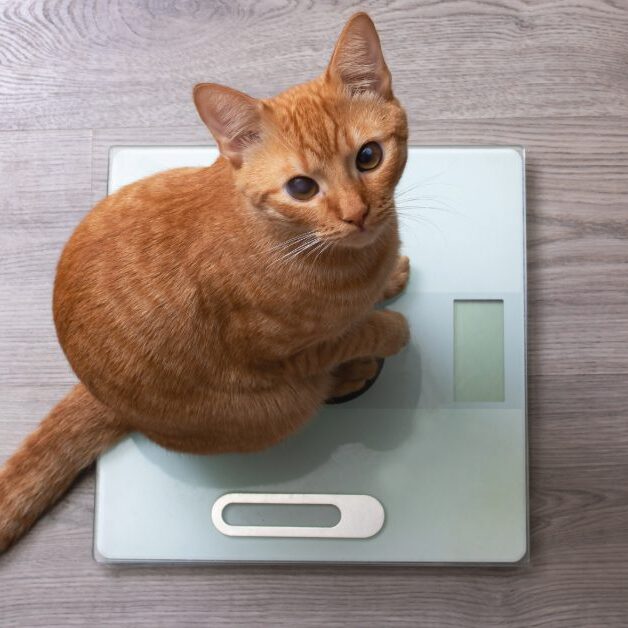
If your cat is losing weight rapidly or without an obvious explanation, it’s a sign worth taking seriously, since sudden weight loss in cats is often linked to underlying conditions like hyperthyroidism, diabetes, kidney disease, or dental pain. A veterinary evaluation is the best way to determine whether your cat’s weight loss falls within a normal range or signals something more serious.
Cats are notoriously good at masking illness, which is exactly why unexplained weight loss tends to catch owners off guard. One month your cat seems perfectly normal, and the next you notice their spine or ribs are more visible than before. Below, we’ll help you understand what’s considered normal, what’s concerning, and when to seek care to help you respond quickly if your cat starts shedding pounds unexpectedly.
What Causes Sudden, Unexplained Weight Loss in Adult Cats?
Unexplained weight loss in adult and senior cats is most commonly linked to a handful of underlying medical conditions, many of which are manageable when caught early.
Common causes include:
- Hyperthyroidism — an overactive thyroid gland that speeds up metabolism, common in middle-aged and senior cats
- Diabetes mellitus — often paired with increased thirst and urination
- Chronic kidney disease — one of the most common conditions in senior cats
- Dental disease — painful teeth or gums that make eating difficult
- Intestinal parasites or inflammatory bowel disease — affecting nutrient absorption
Because these conditions often overlap in symptoms, distinguishing between them typically requires bloodwork, a urinalysis, and sometimes imaging.
How Common is Unexplained Weight Loss in Senior Cats?
Weight loss becomes increasingly common as cats age, particularly past age ten, largely because conditions like hyperthyroidism and chronic kidney disease become more prevalent in senior cats. This is one of the key reasons twice-yearly wellness exams are often recommended for older cats, since subtle weight changes are easier to catch with more frequent monitoring than with annual visits alone.
Can Weight Loss in Cats Be Linked to Cancer?
While less common than metabolic or dental causes, certain cancers can also present with unexplained weight loss in cats, particularly those affecting the intestinal tract. This is one of the reasons veterinarians take persistent, unexplained weight loss seriously even when initial bloodwork looks relatively normal, and why additional imaging or follow-up testing is sometimes recommended if a clear cause isn’t identified right away.
Could My Cat Be Losing Weight Even Though They Are Eating Normally?
Yes, and this is actually one of the more common and more concerning patterns veterinarians see. A cat that continues eating normally, or even eating more than usual, while still losing weight often points toward a metabolic issue like hyperthyroidism or diabetes rather than a simple appetite problem.
- Cats with hyperthyroidism frequently have an increased appetite paired with weight loss, since their metabolism is working in overdrive
- Cats with diabetes may also eat well but lose weight because their body cannot properly use glucose for energy
- Cats with intestinal disease may eat normally but fail to absorb nutrients properly
Why This Pattern Shouldn’t Be Ignored
Because a normal or increased appetite can create a false sense of reassurance, many owners delay bringing in a cat that’s “eating fine.” Unfortunately, this is often exactly the presentation of some of the most treatable endocrine conditions in cats, making early veterinary evaluation especially valuable.
Could Stress or Environmental Changes Play a Role?
While medical causes are more common, stress from changes like a new pet, a move, or a shift in household routine can occasionally affect a cat’s eating habits and weight. However, stress-related weight loss should still be evaluated by your veterinarian to rule out underlying medical causes before being attributed to environmental factors alone.
How Much Weight Loss is Considered Dangerous for a Cat?
As a general guideline, losing more than 10% of body weight, or noticeable weight loss over a short period of just a few weeks, is considered significant and warrants a veterinary visit. For an average 10-pound cat, that means losing just one pound is enough to be medically meaningful.
Weight loss becomes more urgent when combined with:
- Vomiting or diarrhea
- Lethargy or hiding more than usual
- Noticeable muscle loss along the spine or hips
- Decreased grooming or a dull coat
Because cats are small animals, weight changes that might seem minor in a larger pet can represent a substantial percentage of body weight and a substantial health concern.
How Can Owners Track Weight Changes Between Vet Visits?
Since subtle weight loss can be difficult to notice just by looking at your cat, a kitchen scale used consistently every few weeks can help catch changes earlier than they might otherwise be noticed. Running a hand along your cat’s spine and ribs periodically can also help you notice changes in muscle and fat coverage, since visual cues alone, especially in longer-haired cats, can mask early weight loss.
What Will the Vet Do to Find the Cause of My Cat’s Weight Loss?
When you bring in a cat experiencing unexplained weight loss, your veterinarian at Montgomery Animal Hospital will begin with a full physical exam, including a hands-on body condition assessment and a review of diet, appetite, and litter box habits. Additional diagnostics typically include:
- Bloodwork to check thyroid levels, kidney and liver function, and blood sugar
- Urinalysis to assess kidney function and rule out diabetes
- Fecal testing to check for intestinal parasites
- Dental exam to rule out oral pain as a contributing factor
In some cases, additional imaging like X-rays or ultrasound may be recommended if initial bloodwork doesn’t provide a clear answer.
How Long Does it Take to Find the Cause of Weight Loss?
Many causes of weight loss, particularly hyperthyroidism and diabetes, can be identified with a single round of bloodwork and urinalysis. More complex cases, such as those involving intestinal disease, may require additional testing over several visits to reach a definitive diagnosis, so patience during the diagnostic process is sometimes necessary.
What Unexplained Weight Loss Really Means for Your Cat
Weight loss in cats is rarely something to wait out, especially when it happens without a clear dietary or lifestyle change. Because cats are so skilled at hiding illness, unexplained weight loss is often one of the only visible clues that something deeper is going on internally. If your cat has been shedding pounds without explanation, our team at Montgomery Animal Hospital in Cincinnati can help identify the cause and get your cat back to a healthy weight. Schedule an appointment with us today.
Recent Posts
About Us
At Montgomery Animal Hospital in Cincinnati, OH, we provide AAHA-accredited care that combines advanced medicine with generations of trusted relationships. We’re committed to helping pets of all kinds live healthy, happy lives.