
Health & Wellness
Keeping pets comfortable during recovery
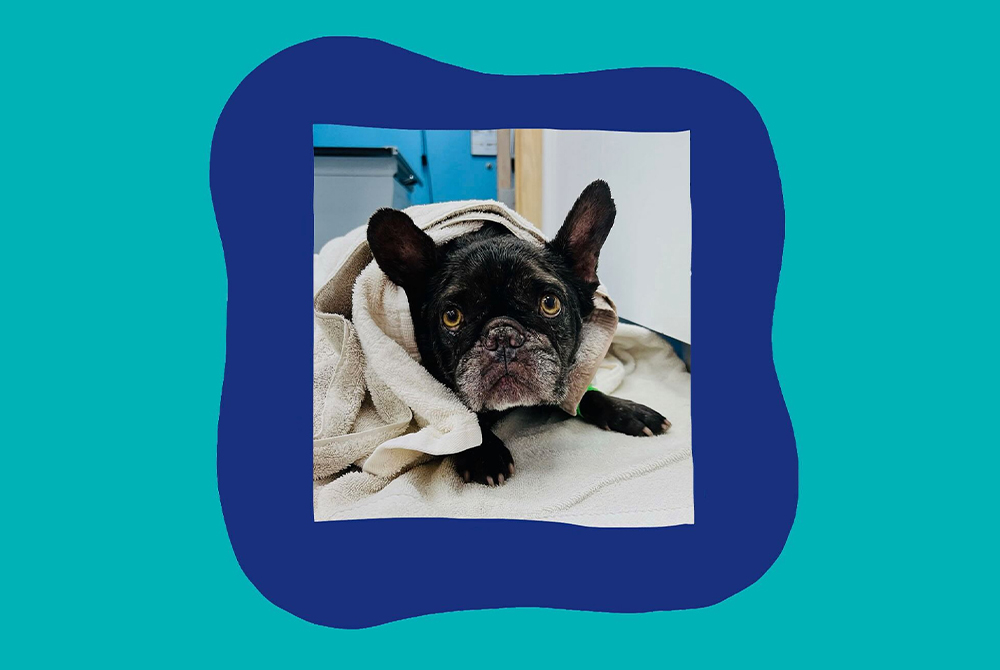
After certain treatments or procedures, keeping pets warm and comfortable is an important part of recovery. Just like us, dogs can feel chilly when wet or after anesthesia, so we use soft towels, warm blankets, and lots of gentle care to help them feel safe and cozy while they heal. It’s the little comforts—like snuggly…
Read MoreWhich shots do my pets really need?
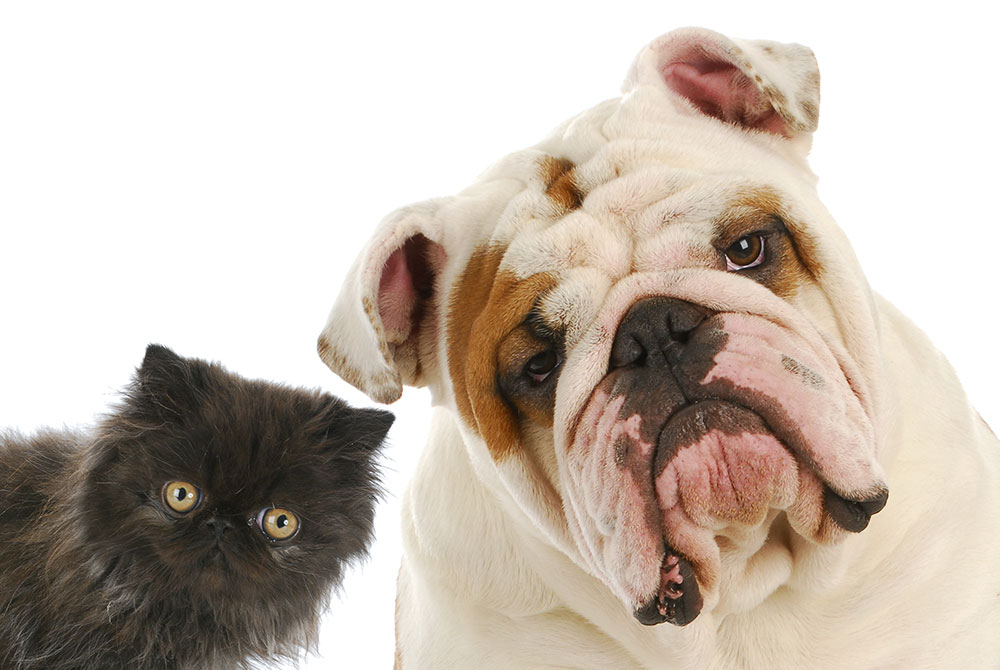
Did you know that summertime is flu season for dogs? Or that parvovirus is more common in warm weather? Summer is a great time to review your dog and cat’s vaccines to make sure they’re fully protected while they play. Who needs what? Vaccinations prevent infectious diseases. We carefully select vaccines that are safe, painless,…
Read MoreHow to make your pet smile

You can’t have a healthy body without a healthy mouth. Rotten teeth cause pain in our pets, even though they won’t show it. Very few animals will stop eating due to oral pain. They will mostly just slow down, or perhaps change the amount of time they spend with toys. First step: a comprehensive oral…
Read MoreDrug-free ways to make your older pet more comfortable

Old age can cause challenges whether you have 2 legs or 4. Here are some simple steps you can take to make your older pet’s daily life more comfortable and maximize the enjoyable moments. Senior-ize the home provide a comfortable bed – try adjusting thickness of the padding or providing a more firm surface that…
Read MoreShould I Make My Pet Vomit?

Unfortunately, our canine and feline friends do not always have the best judgment on what they should or should not eat. Inevitably, most pet parents will find themselves in a situation in which their beloved cat or dog has eaten something that is toxic – leaving us with the question: Should I make my pet…
Read MorePre-Visit Medications for Your Pets!

Over 80% of dogs and cats experience fear and anxiety when they visit the vet’s office. Why is this important? Fearful and scared patients may not be able to be examined as thoroughly, and may not be able to have needed testing like a blood draw. They may have fear-based aggression which is a safety…
Read MoreDon’t Snooze on Your Pet’s Annual Wellness Visit
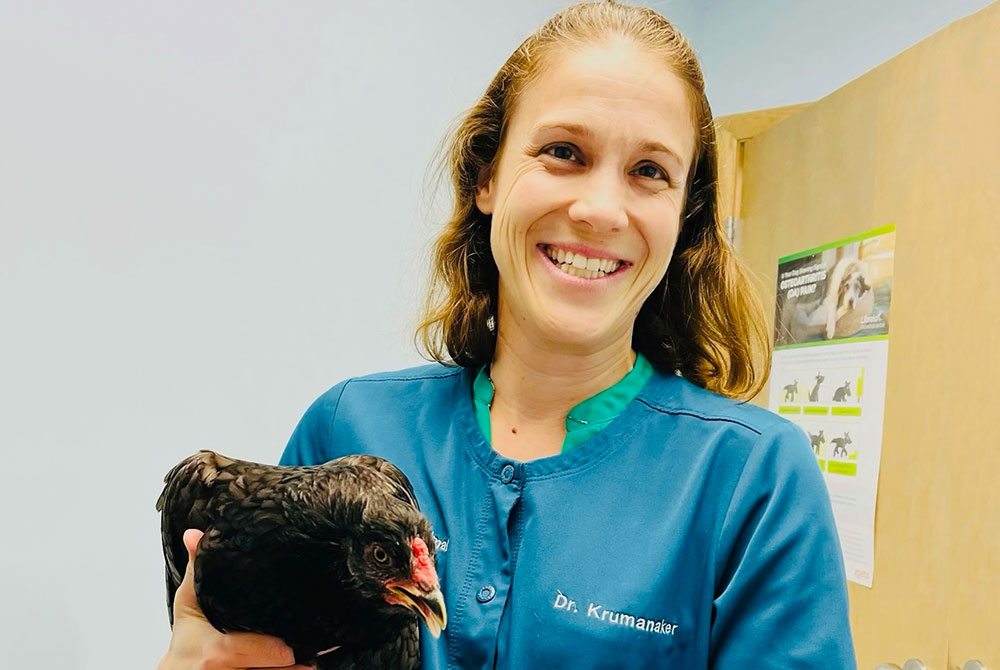
Matilda has an important reminder: Don’t snooze on your pet’s annual wellness visit. Why you say? Routine wellness visits are a great way to help your pet live a healthy life for as long as possible. These visits can help us detect potential health issues early and may help you avoid larger treatment costs that…
Read MoreHeartworm Awareness Month!

Spring is here, and along with April showers and warmer temperatures, comes an increase in mosquitoes! April is “Heartworm Awareness Month,” and it’s the perfect time to make sure your pets are up-to-date on their heartworm testing, treatment, or medication. Heartworm disease is a serious and potentially fatal disease in pets in the United States…
Read MoreDiabetes Mellitus – Not only for those with opposable thumbs!

What is diabetes mellitus (DM)? First, a quick overview – bear with us. The word diabetes comes from ancient Greek and means siphon, or running through (referring to the large volume of urine) and mellitus is Latin for sweet. The disease is appropriately named because diabetics are siphons for sweet urine. DM in animals works…
Read MoreAre cicadas dangerous for pets?

photo credit Renee Grayson The 17 year cicadas are emerging in Cincinnati any day now – so what do pet owners need to know? Brood X last emerged in 2004, and is due to emerge in the coming weeks after heavy rain once the soil temperature warms up. There can be over a million adult cicadas per acre in certain areas. The adults will emerge from the ground with one goal: to reproduce. They will shed their skin, leaving them hanging b […]
Read More