
Turtles Eating Wild Bugs: Is It Safe to Feed Backyard Insects?
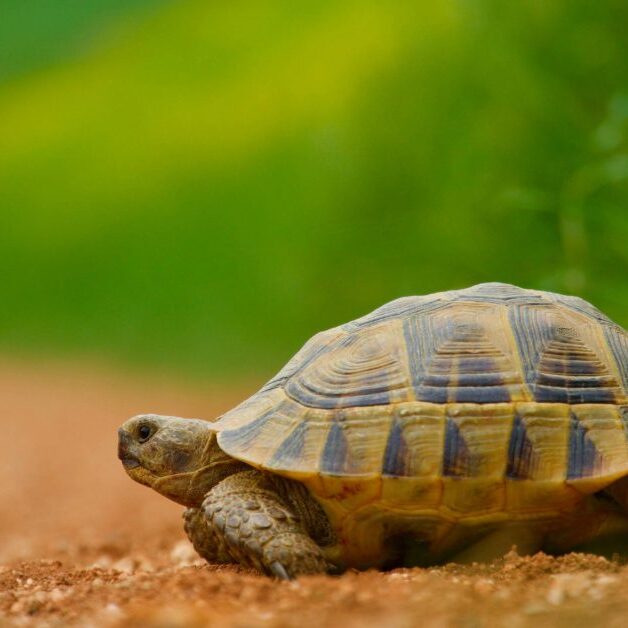
Can turtles eat wild-caught bugs from the backyard, or is it dangerous? Wild bugs can be dangerous, so most veterinarians recommend skipping them. Turtles eating wild bugs may pick up parasites, pesticide residue, or natural toxins that captive-raised feeder insects don’t carry. It’s a tempting idea, especially in a Cincinnati summer when crickets chirp and beetles crawl across every patio. Your turtle would probably enjoy the chase, and free food feels like a win. But the backyard is an uncontrolled environment, and you can’t know what a bug touched, ate, or carried before it landed in your turtle’s habitat.
At Montgomery Animal Hospital in Cincinnati, OH, we talk with reptile owners about diet and safety often, and turtles eating wild bugs comes up more than you might expect. This guide explains the hidden risks, the parasite and pesticide concerns, the insects to avoid, and the store-bought options that make safer snacks. Below is what Cincinnati turtle owners should know.
What Are the Hidden Risks of Feeding My Turtle Backyard Bugs?
Backyard bugs look harmless, but the biggest dangers are the ones you can’t see. Turtles eating wild bugs face several risks at once, and any one of them can lead to a vet visit.
Unknown Diet and History
A cricket from your lawn has a mystery résumé. It may have nibbled treated grass, sipped from puddles near a driveway, or crawled through a neighbor’s fertilized flower bed. Feeder insects from reputable suppliers are raised in controlled conditions, so their history is known. A wild insect’s history is not.
Bacteria and Contamination
Insects can carry bacteria on their bodies and in their guts. Turtles can also carry germs like Salmonella, so adding outside microbes to the mix is far from ideal. Handling wild insects and then touching your turtle’s habitat can spread germs to people in the household, too.
Bites, Stings, and Hard Shells
Spiny caterpillars, hard-shelled beetles, and oversized grasshoppers can be tough on a small turtle’s mouth and digestive tract. Some insects also fight back with bites or stings that can injure the mouth, tongue, or eyes. Turtles eating wild bugs can’t always tell which ones will bite back.
Nutritional Gaps
Even safe insects don’t make a complete diet. Turtles need a balanced mix of calcium, vitamins, and protein suited to their species and age. Filling up on random bugs can crowd out the foods that support healthy shell and bone development.
Species Make a Difference
Diet needs vary. Box turtles, which are native to Ohio, eat a mix of plants and animal protein, while many aquatic turtles need a different balance. A bug that suits one species may not suit another, and a wild bug adds guesswork to an already species-specific diet.
Can Wild Bugs Carry Parasites or Pesticides That Will Make My Turtle Sick?
Yes, wild bugs can carry both, and either one can make a turtle sick. Turtles eating wild bugs face hazards that are hard to see, test for, or wash away.
How Parasites Travel Through Insects
Many parasites use insects as stepping stones. Beetles, roaches, and crickets can act as intermediate hosts, which means a parasite lives inside the bug until a larger animal eats it. When your turtle swallows that insect, the parasite gets a new home. Signs can be subtle and may take weeks to appear, so turtles eating wild bugs can look perfectly fine for a while.
Pesticides and Lawn Chemicals
Even if you never spray your own yard, chemicals drift. Neighbors, landscapers, and mosquito-control services may treat nearby areas. Insects absorb those chemicals and can carry them into your turtle’s system. A bug that moves normally can still hold a meaningful dose, and turtles are small, so they have less room for error. Turtles eating wild bugs in a treated neighborhood may face added exposure.
Why Rinsing Doesn’t Help
Rinsing a bug can remove dirt, but it can’t remove chemicals or parasites inside the insect. That is one of the most common misconceptions owners share with us. A clean-looking insect can still hold hidden hazards.
When to Call the Vet
If your turtle ate a wild insect and seems off, contact a veterinarian promptly. Our team at Montgomery Animal Hospital can examine your pet and recommend next steps. Mention any of these to your vet:
- Sudden loss of appetite or unusual lethargy
- Swelling around the mouth or eyes
- Changes in droppings
- Difficulty breathing or open-mouth breathing
- Unusual behavior after eating an insect
Note what your turtle ate and when, since those details help.
Which Common Backyard Insects Are Highly Toxic to Turtles?
Several familiar backyard insects are known to be dangerous for reptiles and other insect-eating pets. Because turtles eating wild bugs can’t tell safe from harmful, it helps to know which ones to avoid.
Fireflies (Lightning Bugs)
Fireflies contain defensive chemicals called lucibufagins, which are toxic to many reptiles and amphibians. Cincinnati summer nights are full of them, which makes them an easy and dangerous temptation. Even a single firefly can be a serious problem for a small pet, so never offer one on purpose.
Monarch Caterpillars and Milkweed Feeders
Insects that feed on milkweed, including monarch caterpillars and milkweed bugs, store plant toxins in their bodies. Those toxins can affect the heart. Their bright orange and black coloring works as a warning sign in nature, and it’s a good one to heed in your backyard, too.
Why Toxic Bugs Are Easy to Miss
Dangerous insects rarely announce themselves. Many look similar to harmless relatives, and turtles eating wild bugs strike too fast for anyone to check. Fireflies look like ordinary beetles in daylight, and stink bugs blend in with garden foliage. Even experienced owners can misidentify a bug at a glance, which is why a blanket “no wild insects” rule is simpler and safer.
Other Insects to Leave Out
Some insects sting, bite, or release irritating chemicals when threatened. Blister beetles, for example, contain a compound called cantharidin that irritates tissue. Avoid all of these:
- Wasps, bees, and hornets
- Centipedes and spiders you can’t identify
- Stink bugs and Asian lady beetles
- Blister beetles
- Any insect you can’t identify with certainty
When in doubt, leave it out. If you suspect your turtle ate one of these insects, call your veterinarian right away. Bring a photo of the bug if you can.
What Are the Best Store-Bought Alternatives to Wild-Caught Insects?
The safest alternatives are feeder insects and prepared foods from reputable pet suppliers. These options give your turtle the fun of hunting without the unknowns that come with turtles eating wild bugs.
Commercially Raised Feeder Insects
Reptile-focused pet stores sell crickets, dubia roaches, mealworms, and black soldier fly larvae. Suppliers raise these insects in controlled settings, which beats turtles eating wild bugs, but store-bought insects often arrive with little in their bellies. To get the most nutrition out of them, feed them for 24 to 48 hours before offering them to your turtle. This practice is called gut-loading, and it turns a plain feeder into a more nourishing meal. Repashy makes gut-loading diets that many reptile keepers rely on, and fresh vegetables like carrot, squash, and leafy greens work well too. Ask your veterinarian which feeders suit your turtle’s species and age.
Turtle Pellets and Prepared Diets
Quality turtle pellets are formulated for balanced nutrition. Many aquatic turtles rely on pellets as a diet foundation, while box turtles usually eat a broader mix of plants, protein, and insects. A red-eared slider and an eastern box turtle, both popular with Ohio turtle owners, have different needs, so species always matters.
Freeze-Dried and Canned Options
Freeze-dried and canned insects offer convenience and carry a lower parasite risk than wild catches. They work best as occasional treats rather than the main meal, since they can’t replace a balanced diet.
What to Look for on the Label
Use this quick checklist when you shop:
- Products labeled for reptiles or turtles
- A reputable supplier with clear sourcing
- Insects sized appropriately for your turtle
- Lively live insects or sealed, unexpired packaged foods
Where Does Professional Guidance Fit In?
Diet plans work best when they match your turtle’s species, age, and health. Montgomery Animal Hospital can review what your turtle eats now and talk through safer choices. Turtles eating wild bugs is a common habit, and our team can help you build a safer routine. Bring questions about habitat setup and feeding schedules, too.
Can I Raise My Own Feeder Bugs at Home?
Yes, home-raised feeders give you the best of both worlds: the hunting fun your turtle loves and full control over what the insects eat. A small colony removes the guesswork that comes with turtles eating wild bugs, and it can trim your grocery bill, too.
Earthworms for Box Turtles
Many box turtles go wild for earthworms, and a worm bin is one of the easiest colonies to start. Nightcrawlers and red worms (often called red wigglers) both thrive in a bin filled with bedding like shredded cardboard, coconut coir, or aged leaf litter. Keep the bedding damp, not soggy, and store the bin somewhere cool and shaded.
Worm bins also tackle your kitchen scraps. Worms happily process:
- Vegetable and fruit trimmings
- Crushed eggshells
- Coffee grounds and paper filters
- Torn cardboard and paper
Skip meat, dairy, greasy leftovers, and strongly spiced foods, which can foul the bin and attract pests. Start the colony with worms from a bait shop or bin supplier rather than the lawn, since yard worms may carry the same pesticide and parasite concerns as any wild catch.
Dubia Roaches for the Long Haul
Dubia roaches take a bit more setup, but many keepers find breeding them more cost effective over time than buying feeders every week. They are quiet, don’t climb smooth plastic, and multiply steadily in a ventilated bin with egg-crate hiding spots, steady warmth, and a shallow water source such as moist produce. Check your local regulations before you start a colony.
Nutrition matters just as much for a home colony. Keep your roaches on fresh vegetables, quality grains, and a Repashy gut-loading diet, and your turtle gets a more nutritious meal with every bite. If you buy feeders instead of breeding them, remember the 24 to 48 hour gut-loading window before they go into your turtle’s dish.
Matching the Menu to Your Turtle
Species matters here. Box turtles tend to enjoy worms, while aquatic turtles often rely more on pellets and may take insects only as an occasional treat. Montgomery Animal Hospital can help Cincinnati owners decide which feeders and portions suit their turtle’s species, age, and health. Home-raised insects should round out a balanced diet, never replace it.
How Can Cincinnati Turtle Owners Build a Safer Snack Routine?
Turtles eating wild bugs might look like a natural, budget-friendly snack, but hidden parasites, pesticide exposure, and toxic look-alikes make the backyard a gamble. The good news is that safe options are easy to find, and your turtle can still enjoy a good hunt. Ending the habit of turtles eating wild bugs is one of the simplest safety upgrades an owner can make. A little planning now turns snack time into a safe, enjoyable part of your turtle’s routine.
If you have questions about your turtle’s diet, habitat, or health, our team at Montgomery Animal Hospital is here to help Cincinnati families. Bring a list of what your turtle eats now, and we can talk through what fits your pet’s species and life stage. Every turtle is different, so a personalized diet plan always beats guesswork. If your turtle has already snacked on something questionable from the yard, request an appointment online today.
Recent Posts
About Us
At Montgomery Animal Hospital in Cincinnati, OH, we provide AAHA-accredited care that combines advanced medicine with generations of trusted relationships. We’re committed to helping pets of all kinds live healthy, happy lives.