
Chickens Eating Kitchen Scraps: Will Leftovers Slow Down Egg Laying?
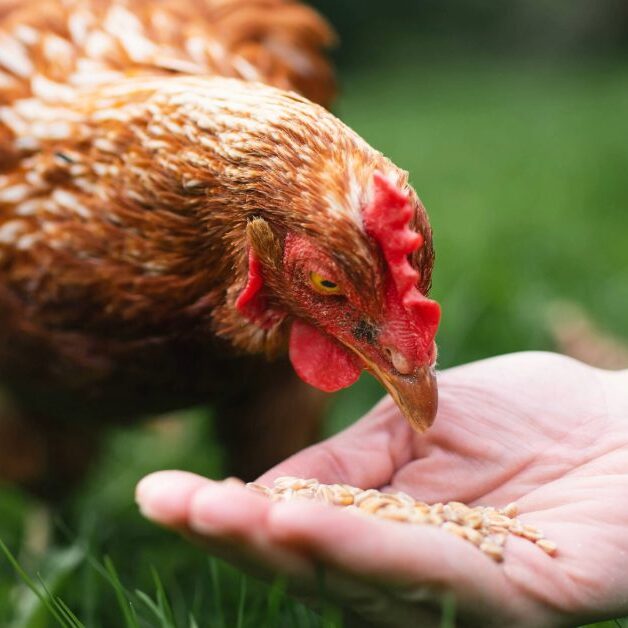
Can chickens eat kitchen scraps, or will it stop them from laying eggs? Chickens can eat many kitchen scraps, and a modest amount won’t stop egg production. Trouble starts when treats replace complete layer feed or when a toxic leftover lands in the coop. Chickens eating kitchen scraps is a time-honored backyard habit that trims food waste and delights the flock. But a laying hen needs steady protein, calcium, and energy that peels and leftovers can’t supply on their own.
Backyard flocks are popping up all over Cincinnati, and Montgomery Animal Hospital in Cincinnati, OH, knows how many questions come with them. This guide explains how scraps affect laying, which leftovers to skip, which ones add useful protein, and how to serve them sensibly.
Will Feeding My Chickens Kitchen Scraps Cause Them to Stop Laying Eggs?
Not on their own. Chickens eating kitchen scraps in reasonable amounts rarely affect laying, but an unbalanced menu can slow production over time.
Why the 90/10 Rule Matters
Many keepers aim for roughly 90 percent complete layer feed and 10 percent extras. Layer feed is formulated with the protein, calcium, and vitamins hens need to build eggs. Scraps are not. When a flock fills up on lettuce ends and leftover pasta, hens eat less of the feed that supports egg production, and each egg may get fewer nutrients. Think of feed as the meal and scraps as dessert. A hen that snacks all day may skip dinner.
Signs the Menu May Be Out of Balance
Owners sometimes notice thinner shells, smaller eggs, or fewer eggs when treats take over. Chickens eating kitchen scraps in place of feed is one possible cause, but it isn’t the only one, and your veterinarian is the right person to sort out what’s happening in your flock.
Other Reasons Hens Slow Down
Diet gets blamed first, yet plenty of normal factors lower egg counts:
- Shorter daylight in fall and winter
- Molting, when hens replace their feathers
- Age, since production declines over the years
- Heat, stress, or a predator scare
- Changes in housing or flock makeup
A hen that pauses in October may simply be following the calendar. If production drops sharply or a bird seems unwell, contact your veterinarian rather than adjusting things on your own.
What Kind of Table Scraps Are Toxic or Dangerous for Chickens?
Plenty of leftovers are fine, but a few can seriously harm a hen. Before chickens eating kitchen scraps becomes a daily routine, learn which items never belong in the bucket.
Foods That Can Poison a Flock
Some foods contain natural compounds that are harmful to poultry:
- Avocado skin, pit, and flesh
- Chocolate, coffee grounds, and tea
- Raw or dried beans
- Green potato skins and potato or tomato leaves
- Rhubarb leaves
Avocado contains persin, chocolate contains theobromine, and raw beans contain a harmful lectin. Green potato skins hold solanine, which irritates the digestive tract.
Foods That Cause Trouble in Other Ways
Moldy bread, spoiled leftovers, and old produce can carry toxins that make hens sick, even when the food looked fine a day earlier. Chickens eating kitchen scraps that have gone bad face real risk. Salty snacks, greasy fried food, and sugary treats offer little nutrition and can upset a hen’s system. Large amounts of onion may affect red blood cells and give eggs an off flavor. Raw meat scraps can spread bacteria to both birds and people.
A Simple Screening Habit
Ask two questions before anything goes in the bucket: would I eat this today, and is it plain? If either answer is no, send it to the compost pile instead. A quick check keeps chickens eating kitchen scraps from turning into an emergency call. If a hen does eat something questionable, call your veterinarian promptly and share what she ate and when.
What Are the Best High-Protein Kitchen Scraps to Help Chickens Lay More Eggs?
Protein supports feathers and eggs, and several leftovers can add a little extra. Smart choices turn chickens eating kitchen scraps into a real boost rather than filler, as long as layer feed stays the foundation.
Eggs, Fish, and Lean Meat
Cooked scrambled eggs are a flock favorite and pack in concentrated protein. Crushed eggshell can be stirred into the scramble, which adds a little calcium to the same snack. Small bits of cooked fish or plain turkey and chicken work well too. Cook everything thoroughly and skip the seasoning, sauces, and oil.
Legumes and Dairy
Well-cooked lentils, peas, and beans provide plant protein. Beans must be fully cooked, because raw ones are toxic, so chickens eating kitchen scraps like leftover beans need a careful eye on prep. A spoonful of plain yogurt or cottage cheese adds protein and a little calcium, but offer dairy sparingly since hens digest lactose poorly.
Seeds, Grains, and Shell Calcium
Sunflower seeds, pumpkin seeds, and cooked oats add protein and energy. For calcium, many keepers bake leftover eggshells and crush them into a fine powder so hens don’t learn to peck whole eggs. Oyster shell in a separate dish is another common option, and your veterinarian can suggest what suits your flock.
Good picks to keep on hand:
- Scrambled eggs, cooked and unseasoned
- Cooked lean poultry or fish in small pieces
- Well-cooked lentils and peas
- Plain yogurt in tiny portions
- Sunflower and pumpkin seeds
How Should I Portion and Serve Kitchen Scraps to a Backyard Flock?
Portions and clean habits matter as much as the menu. A few routines make chickens eating kitchen scraps safer for hens and for the people who care for them.
Portion and Timing
Offer scraps after hens have eaten their feed, or scatter them in the late afternoon. Start with a small handful per bird and add variety slowly. Size matters, and the right size depends on the item. Some scraps work best as bite-sized pieces, while others work better as one large piece your hens can work at.
- Small pieces: Chop soft or stringy items like cooked eggs, leafy greens, and cooked grains into pieces small enough to pass comfortably, so nothing gets stuck on the way down.
- Oversized pieces: Hens love to peck at big items like a watermelon rind or a whole tomato. Offer these whole or in halves, too large to swallow, so the flock can peck away at the flesh without gulping chunks.
Pull out the leftover rind or tomato skin within a few hours so it doesn’t attract pests. Chickens eating kitchen scraps as a late-day snack are more likely to fill up on feed first.
Freshness and Pest Control
Remove leftovers within a few hours. Old scraps attract rodents, flies, and wild birds, which can carry disease into the coop. Toss anything that has lingered in the fridge past its prime rather than passing it to the flock.
Hygiene for the Humans
Chickens can carry Salmonella without looking sick, so wash your hands after handling birds, eggs, or feeders. Leave coop shoes outside the house, and supervise children around the flock. A separate scrap bucket, kept apart from your kitchen tools, is a helpful habit too.
What’s the Smartest Way to Treat Your Hens This Season?
Hens will happily eat nearly anything, which is exactly why owners need to be the careful ones. Chickens eating kitchen scraps can be a healthy, low-waste way to treat a flock when leftovers make up about a tenth of the diet, toxic items stay out, and layer feed remains the main course. If egg counts dip this fall, check daylight, molting, and age before blaming the compost bucket.
Questions about your flock’s diet, health, or sudden changes in laying deserve a professional opinion. Montgomery Animal Hospital in Cincinnati can talk through your concerns and help you find the right care for your birds. Bring a list of the scraps you offer most often, and if a hen eats something toxic, request an appointment right away instead of waiting.
Recent Posts
About Us
At Montgomery Animal Hospital in Cincinnati, OH, we provide AAHA-accredited care that combines advanced medicine with generations of trusted relationships. We’re committed to helping pets of all kinds live healthy, happy lives.