
Why Are My Dog’s Eyes Looking Cloudy?
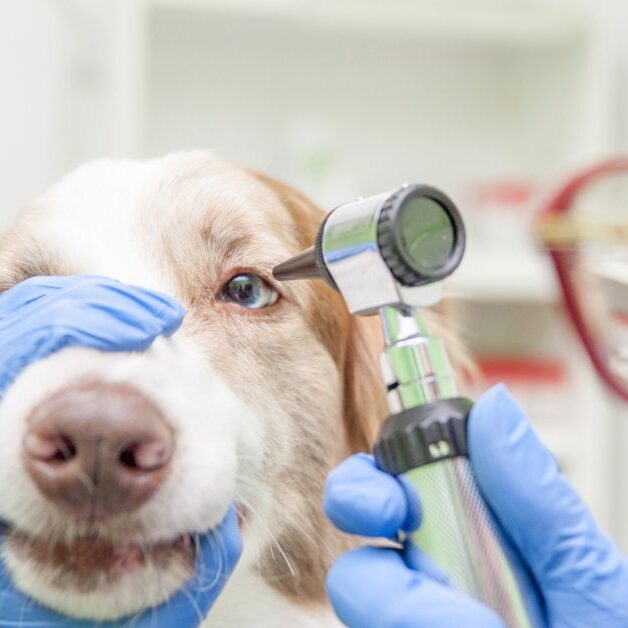
Cloudy eyes in dogs are usually caused by one of a few conditions including cataracts, nuclear sclerosis (a normal aging change), corneal damage, or glaucoma; and while some dog cloudy eyes are harmless, other causes can threaten your dog’s vision if left untreated. Because several conditions look similar to the naked eye, a veterinary exam is the only reliable way to know which one you’re dealing with.
Few things catch a pet owner’s attention faster than noticing their dog’s once-clear eyes taking on a hazy, bluish, or milky appearance. It’s a visible change that naturally raises questions and concern. The good news is that not every case of dog cloudy eyes is cause for alarm, but knowing the difference between normal aging and a genuine eye emergency is essential for protecting your dog’s vision.
Is Cloudiness in a Dog’s Eyes Just a Normal Sign of Aging?
In many senior dogs, mild cloudiness is caused by nuclear sclerosis, a normal age-related hardening of the eye’s lens that typically appears as a subtle blue-gray haze. This condition is different from cataracts and does not significantly affect vision in most dogs, even though dog cloudy eyes from either cause can look similar at first glance.
Key differences between the two:
- Nuclear sclerosis creates a light, hazy blue tint and usually doesn’t impair vision
- Cataracts appear as a denser, opaque white cloudiness and can progressively lead to vision loss or blindness
Because these two conditions can be difficult to tell apart at home, a veterinary eye exam using specialized lighting is the most reliable way to determine which type of dog cloudy eyes you’re seeing.
At What Age Do Dogs Typically Develop Cloudy Eyes?
Nuclear sclerosis most commonly appears in dogs around six years of age and becomes more noticeable as dogs enter their senior years. Cataracts, on the other hand, can develop at any age and are sometimes linked to diabetes, genetics, or prior eye injury rather than age alone, which is why dog cloudy eyes at any age deserve a veterinary evaluation rather than being assumed to be a simple aging change.
Can Diabetes Cause Cloudy Eyes in Dogs?
Yes, diabetic dogs are especially prone to developing cataracts, sometimes quite rapidly after diagnosis. This happens because elevated blood sugar affects the lens of the eye in a way that leads to clouding, occasionally within just weeks or months of a dog’s diabetes diagnosis. Any diabetic dog showing new or worsening dog cloudy eyes should be evaluated promptly, since this progression tends to move faster than age-related cataracts in non-diabetic dogs.
Can a Sudden Cloudy Eye Mean My Dog is Going Blind?
Yes, in some cases sudden dog cloudy eyes can signal a condition that leads to blindness if not addressed. Rapid onset of cloudiness is more concerning than gradual changes and often points to something more serious than normal aging.
Conditions associated with sudden cloudiness include:
- Acute glaucoma — a painful buildup of pressure inside the eye that can cause blindness within hours to days if untreated
- Advanced cataracts — can progress quickly in diabetic dogs in particular
- Corneal ulcers or injuries — can cause the eye to appear hazy or blue due to swelling
Why Speed Matters With Sudden Eye Changes
Unlike gradual aging changes, a sudden shift in your dog’s eye appearance should prompt a same-day or next-day veterinary visit. Conditions like glaucoma are considered true emergencies because delayed treatment of dog cloudy eyes can result in permanent vision loss, and the window for effectively preserving vision is often very narrow.
Are Certain Breeds More Prone to Cloudy Eyes or Glaucoma?
Yes. Breeds such as Cocker Spaniels, Basset Hounds, and Shih Tzus are more genetically predisposed to glaucoma, while breeds like Poodles and Boston Terriers have a higher tendency toward cataract development. If your dog belongs to one of these breeds, being especially attentive to dog cloudy eyes can help catch problems earlier, and some owners of predisposed breeds choose to schedule more frequent eye checks as part of routine wellness visits.
What Eye Conditions Cause Cloudiness, and Are They Painful?
Not all causes of dog cloudy eyes are painful, but several are, and pain is often a key clue in diagnosis. Painful conditions tend to come with additional symptoms your veterinarian will look for.
Signs that a cloudy eye may be painful include:
- Excessive blinking or squinting
- Pawing at the face or rubbing the eye
- Redness around the eye
- Watery or thick discharge
- Sensitivity to light
Glaucoma and corneal ulcers are typically painful, while cataracts and nuclear sclerosis are usually not. This distinction is one reason a hands-on veterinary evaluation is so important. Pain level alone can help narrow down the underlying cause of dog cloudy eyes before any testing even begins.
How Do Cloudy Eyes Affect a Dog’s Daily Behavior?
Dogs experiencing vision changes from cataracts often adapt gradually, and owners may notice increased caution navigating unfamiliar spaces, more hesitancy on stairs, or bumping into furniture that’s been moved. These behavioral clues can sometimes appear before dog cloudy eyes become visually obvious, making changes in confidence or spatial awareness worth mentioning at a veterinary visit even if the eyes still look relatively normal.
When Should I Take My Dog to the Vet for Cloudy Eyes?
You should schedule a veterinary visit for dog cloudy eyes any time the change is sudden, affects only one eye, or comes with signs of pain, redness, or discharge. Gradual cloudiness in an older dog with no other symptoms can typically wait for a routine appointment, but it should still be evaluated to rule out cataracts.
At Montgomery Animal Hospital, our veterinarians use specialized equipment to examine the internal structures of the eye, measure eye pressure, and determine whether cloudiness is a benign aging change or a condition requiring treatment. Early diagnosis is especially important for conditions like glaucoma, where every hour can matter for preserving vision.
What Does an Eye Exam for Cloudiness Typically Involve?
A veterinary eye exam for dog cloudy eyes usually includes measuring intraocular pressure, examining the cornea and lens with magnification, and checking pupil response to light. These tools allow your veterinarian to distinguish between nuclear sclerosis, cataracts, glaucoma, and corneal damage with much greater accuracy than a visual check alone.
What Cloudy Eyes Can Reveal About Your Dog’s Overall Health
Dog cloudy eyes are more than a cosmetic change; they’re a window into what’s happening inside your dog’s body, whether that’s normal aging or a condition that needs prompt attention. Because so many causes can look alike from the outside, professional evaluation remains the safest path forward. If you’ve noticed a change in your dog’s eyes, schedule an appointment so our team at Montgomery Animal Hospital in Cincinnati can help determine the cause and protect your dog’s vision going forward.
Recent Posts
About Us
At Montgomery Animal Hospital in Cincinnati, OH, we provide AAHA-accredited care that combines advanced medicine with generations of trusted relationships. We’re committed to helping pets of all kinds live healthy, happy lives.