
What is This New Lump on My Dog?
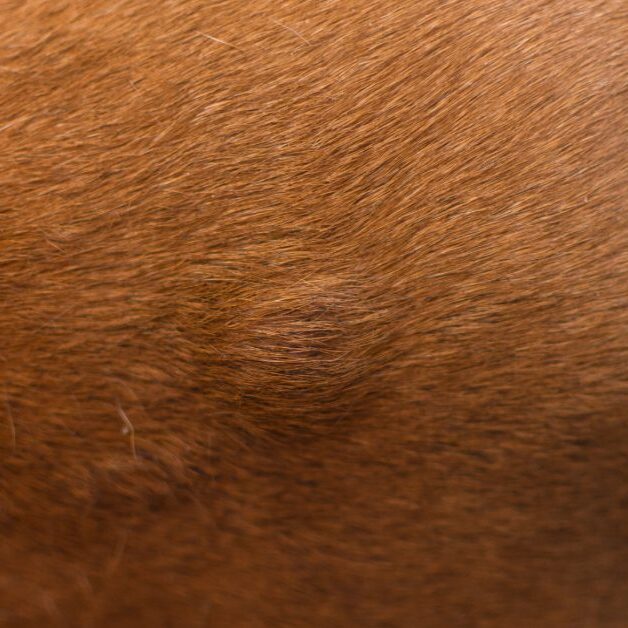
A new lump on dog skin could be anything from a harmless fatty tumor to a skin infection, cyst, or in some cases a more serious mass, and the only way to know for certain is through a veterinary examination and, often, a simple diagnostic test. While many lumps turn out to be completely benign, it’s never advisable to assume that without professional evaluation.
Discovering a new lump on dog skin while petting your pet can trigger instant worry, and understandably so. But not every lump signals something serious. Learning what separates a harmless bump from one that needs urgent attention can help you respond appropriately, without unnecessary panic or dangerous delay.
How Do I Tell if a New Lump on My Dog is an Emergency?
While a lump on dog skin alone isn’t usually an emergency, certain characteristics should prompt a same-day or next-day veterinary visit rather than a wait-and-see approach.
Signs that a lump needs prompt attention include:
- Rapid growth over days rather than weeks or months
- Redness, heat, or visible pain when touched
- Bleeding, oozing, or an open wound
- Firm, irregular shape that’s fixed to the tissue underneath
- Your dog licking, chewing, or biting at the area repeatedly
If a lump on dog skin appears alongside lethargy, loss of appetite, or your dog seeming generally unwell, that combination warrants prompt veterinary attention as well.
Where on the Body Should Lumps Be Watched Most Closely?
A lump on dog paws, near the mouth, or on the abdomen is often worth monitoring particularly closely, since these locations can sometimes indicate more aggressive mass types or make it harder for a dog to avoid irritating the area. Regardless of location, any new lump is worth mentioning at your dog’s next appointment, even if it seems minor.
What Are the Most Common Types of Benign (Harmless) Dog Lumps?
Many lumps found on dogs turn out to be benign, meaning non-cancerous and generally harmless. Some of the most frequently diagnosed types of a lump on dog skin include:
- Lipomas — soft, movable fatty deposits under the skin, common in middle-aged and senior dogs
- Sebaceous cysts — small, round bumps caused by blocked skin glands
- Skin tags — small, harmless growths often found on the eyelids, chest, or legs
- Warts (papillomas) — small, cauliflower-like growths, especially in younger dogs
- Histiocytomas — fast-growing but usually harmless button-like bumps common in young dogs
Why “Probably Benign” Still Deserves a Vet Visit
Even though many cases of a lump on dog skin fall into this harmless category, several types of benign and malignant masses can look nearly identical on the surface. This is exactly why guessing based on appearance alone isn’t a reliable strategy, even for experienced pet owners. Only diagnostic testing, not visual inspection, can reliably tell the two apart.
Are Some Dog Breeds More Prone to Developing Lumps?
Yes. Breeds such as Labrador Retrievers, Doberman Pinschers, and Weimaraners tend to develop lipomas more frequently, while Boxers and Boston Terriers have a higher documented rate of certain skin masses. Knowing your dog’s breed-specific tendencies can help you and your veterinarian stay proactive about monitoring any new lump on dog skin as it appears.
What Should I Do if My Dog’s Lump Changes Size or Starts Bleeding?
If a lump on dog skin suddenly grows larger, changes shape, or begins bleeding or oozing, it’s time to schedule a veterinary evaluation as soon as possible. These changes can indicate that a previously stable growth is becoming more active or that irritation and infection have set in.
- Avoid attempting to drain, squeeze, or treat the lump at home
- Keep your dog from licking or chewing at the area if possible
- Note when you first noticed the lump and any changes since then
- Take a photo to help track size changes before your appointment
Bringing this information to your visit at Montgomery Animal Hospital helps your veterinarian evaluate the lump’s progression and determine the most appropriate next steps.
How Should Owners Monitor Lumps Between Vet Visits?
For a lump on dog skin your veterinarian has already evaluated and deemed low concern, periodically measuring it with a soft tape measure and jotting down the date and size can help you notice changes more objectively than relying on memory or touch alone. A simple size chart kept on your phone can make it much easier to describe changes accurately at a follow-up visit.
How Does a Vet Test a New Lump or Bump to See What it Is?
The most common and minimally invasive way to evaluate a lump on dog skin is called a fine needle aspirate, in which a small needle is used to collect cells from the mass for examination under a microscope. This quick, in-office procedure often provides same-day answers about whether a lump is fatty, inflammatory, or something requiring further testing.
If the aspirate results are inconclusive or concerning, additional steps may include:
- Biopsy — removing a small tissue sample for more detailed lab analysis
- Bloodwork — to assess overall health before any procedure
- Imaging (X-ray or ultrasound) — used if a mass is suspected to involve deeper tissue
These diagnostic tools allow your veterinarian to recommend the right treatment plan, whether that means simple monitoring or surgical removal.
How Often Should Benign Lumps Be Rechecked?
Even a lump on dog skin confirmed as benign, such as a lipoma, is often worth rechecking every few months, since size, shape, or texture changes over time can occasionally indicate a shift in the mass’s behavior. Your veterinarian can advise on an appropriate recheck schedule based on the specific type of lump identified, and this schedule may be folded into your dog’s regular wellness exam timeline for convenience.
What Every New Lump on Your Dog Deserves: A Second Look
A new lump on dog skin doesn’t automatically mean bad news, but it always deserves a closer look from a professional who can tell the difference between harmless and concerning. Because so many lump types can appear similar at a glance, guessing at home simply isn’t worth the risk. If you’ve found a new lump on your dog, schedule an appointment today and our team at Montgomery Animal Hospital in Cincinnati can run the right tests to get you a clear answer quickly.
Recent Posts
About Us
At Montgomery Animal Hospital in Cincinnati, OH, we provide AAHA-accredited care that combines advanced medicine with generations of trusted relationships. We’re committed to helping pets of all kinds live healthy, happy lives.