
What is Included in a Routine Pet Wellness Exam?
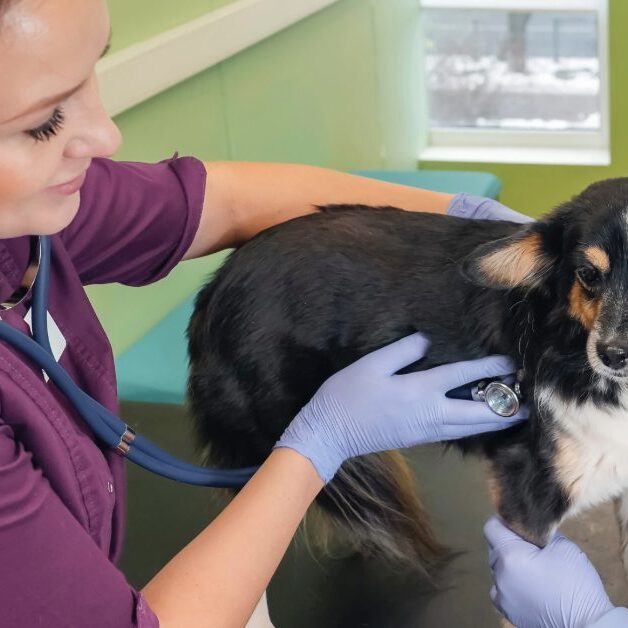
A routine pet wellness exam typically includes a nose-to-tail physical assessment, weight and body condition check, dental screening, vaccine review, and a conversation about your pet’s diet, behavior, and lifestyle, and for many pets, baseline bloodwork too. At Montgomery Animal Hospital, our veterinarians use every wellness exam as a chance to catch small issues before they become big, expensive problems, which is exactly why these visits matter even when your pet seems perfectly fine.
If you’ve ever wondered what actually happens behind closed doors during your pet’s “annual checkup,” you’re not alone. Many pet parents assume it’s just a quick weigh-in and a vaccine or two. In reality, a thorough pet wellness exam is one of the most valuable tools in preventive veterinary medicine, and understanding what’s involved can help you get the most out of every visit to Montgomery Animal Hospital.
What Exactly Does a Vet Check During a Routine Exam?
During a pet wellness exam, your veterinarian performs a hands-on evaluation of nearly every body system. This isn’t just a formality. It’s designed to catch subtle changes that owners might miss between visits, since many early disease signs are only detectable through a trained physical exam.
Here’s what a typical wellness exam covers at Montgomery Animal Hospital:
- Eyes, ears, and nose — checked for discharge, redness, odor, or signs of infection
- Mouth and teeth — examined for tartar buildup, gum disease, and oral tumors
- Heart and lungs — listened to with a stethoscope for murmurs, arrhythmias, or abnormal breathing
- Abdomen — gently palpated to check organ size and detect pain or masses
- Skin and coat — inspected for lumps, parasites, allergies, or infections
- Joints and gait — observed for stiffness, limping, or signs of arthritis
- Lymph nodes — checked for swelling, which can indicate infection or illness
Your veterinarian will also ask about your pet’s appetite, water intake, energy level, and litter box or bathroom habits. These questions matter because they often reveal early warning signs long before physical symptoms show up.
Why the “Healthy-Looking” Pet Still Needs a Full Exam
Pets are experts at hiding illness. A cat with early kidney disease or a dog with a heart murmur can look completely normal to an owner while showing measurable changes to a trained veterinarian. This is one of the main reasons routine wellness exams remain the gold standard for preventive pet care; the exam catches what daily observation simply can’t.
How Does a Wellness Exam Differ for Dogs Versus Cats?
While the core structure of a wellness exam is similar across species, veterinarians tend to emphasize different areas depending on whether they’re examining a dog or a cat. In dogs, joint and gait assessment often carries more weight, since larger breeds are prone to orthopedic issues like hip dysplasia and arthritis as they age. In cats, veterinarians tend to focus more heavily on kidney function and thyroid health, since these conditions are especially common in the feline population. Weight monitoring is also handled slightly differently, since even small weight changes in a cat can represent a larger percentage shift than the same change would in most dogs.
What Can Pet Owners Do to Prepare for a Wellness Visit?
A little preparation can make a wellness exam more productive. Bringing a written list of any behavior changes you’ve noticed, even minor ones like slightly less interest in play or a change in sleeping location, gives your veterinarian useful context that might not come up otherwise. It’s also helpful to bring a current list of any medications or supplements your pet is taking, along with your pet’s usual food brand and feeding amount, since diet plays a role in nearly every aspect of the physical exam findings.
How Often Does My Pet Actually Need a Wellness Checkup?
Most healthy adult dogs and cats benefit from a wellness exam once a year. However, this timeline shifts depending on your pet’s age and health status.
- Puppies and kittens typically need visits every 3-4 weeks until they complete their initial vaccine series
- Adult pets (roughly 1-7 years old) usually do well with one wellness exam annually
- Senior pets (10+ years, depending on breed and size) benefit from twice-yearly exams, since health changes progress faster in older animals
Because pets age more quickly than humans, a full year between checkups can mean significant changes in an older pet’s health. Twice-a-year wellness exams allow our veterinary team at Montgomery Animal Hospital to track subtle trends in weight, bloodwork, and organ function over time.
Does Breed or Size Affect Wellness Exam Frequency?
Yes. Larger dog breeds tend to age faster than smaller breeds and are often considered “senior” by age six or seven, while small breed dogs and many cats may not reach that stage until nine or ten. This means the ideal wellness exam schedule isn’t one-size-fits-all, and your veterinarian can help determine the right frequency based on your pet’s individual breed, size, and health history.
What if My Pet Has an Existing Chronic Condition?
Pets managing chronic conditions such as arthritis, thyroid disease, or diabetes often need more frequent monitoring than the standard annual or twice-yearly schedule. In these cases, wellness exams double as a way to track how well a current treatment plan is working, allowing adjustments to be made before a condition progresses or symptoms worsen. Regular monitoring visits are typically far less involved than a full diagnostic workup, since much of the baseline information is already on file.
Will the Vet Run Bloodwork if My Pet Seems Perfectly Healthy?
Many owners are surprised when bloodwork is recommended even for pets showing no symptoms at all. Baseline bloodwork during a wellness exam gives your veterinarian a snapshot of internal organ function, blood cell counts, and metabolic health that a physical exam alone cannot reveal.
Common wellness bloodwork panels may screen for:
- Kidney and liver function
- Blood sugar levels and thyroid function
- Red and white blood cell counts
- Electrolyte imbalances
For younger, healthy pets, this bloodwork often establishes a baseline used later for comparison. If your pet ever becomes sick down the road, having those healthy baseline numbers on file helps your veterinarian spot abnormalities faster and more accurately.
Bloodwork Becomes Even More Important With Age
For senior pets, wellness bloodwork isn’t optional in most cases. It’s one of the best early-detection tools available. Conditions like kidney disease, diabetes, and thyroid disorders often show up in bloodwork long before a pet displays outward symptoms, which is why annual or biannual bloodwork is such a strong investment in a senior pet’s long-term health.
What About Fecal Testing and Heartworm Screening?
Many wellness exams also include a fecal test to check for intestinal parasites, along with heartworm testing for dogs. These screenings are quick, non-invasive, and help catch parasitic infections that don’t always cause obvious symptoms until they’ve progressed significantly. For cats, especially those with any outdoor access, a fecal check is equally valuable, since intestinal parasites in cats can sometimes go unnoticed for long stretches.
How Much Does a Typical Pet Wellness Exam Cost?
The cost of a pet wellness exam varies depending on your pet’s age, health history, and which diagnostics are recommended. A basic exam without bloodwork is generally more affordable, while a comprehensive wellness visit that includes bloodwork, fecal testing, and vaccines will cost more but offers a fuller picture of your pet’s health.
Because pricing depends on individual needs, our team at Montgomery Animal Hospital is happy to walk through cost expectations with you before your appointment, so there are no surprises. Many owners find that investing in regular wellness exams actually saves money over time by catching health issues while they’re still manageable and less expensive to treat.
How Does Pet Insurance Factor Into Wellness Exam Costs?
Pet insurance policies vary widely in how they handle preventive care. Some plans include a wellness rider that covers a portion of annual exam costs, vaccines, and routine bloodwork, while standard accident-and-illness plans typically exclude preventive visits altogether. If cost is a consideration, it’s worth reviewing your policy details or asking your provider directly whether wellness exams are included before your appointment.
Making Wellness Exams Part of Your Pet’s Regular Routine
A pet wellness exam is far more than a routine formality; it’s a proactive checkpoint that protects your pet’s long-term health. From nose-to-tail physical checks to bloodwork that reveals what the eye can’t see, these visits give your veterinarian the information needed to catch problems early and keep your pet thriving for years to come. If it’s time for your pet’s next wellness exam, our team at Montgomery Animal Hospital in Cincinnati is ready to help you build a personalized preventive care plan. Schedule an appointment for your pet today!
Recent Posts
About Us
At Montgomery Animal Hospital in Cincinnati, OH, we provide AAHA-accredited care that combines advanced medicine with generations of trusted relationships. We’re committed to helping pets of all kinds live healthy, happy lives.