
Why is My Dog Drinking So Much Water Suddenly?
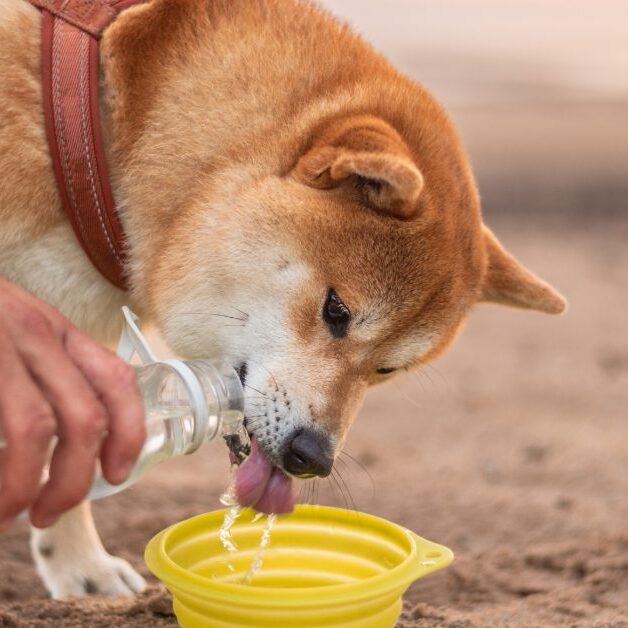
If your dog is drinking so much water suddenly, it’s often a sign of an underlying medical condition such as diabetes, kidney disease, or a urinary tract infection, and it’s worth scheduling a veterinary visit rather than waiting to see if it resolves on its own. Increased thirst, known medically as polydipsia, is one of the more reliable early warning signs that something internally may be off balance, and understanding dog thirst patterns can help you catch problems early.
It’s easy to dismiss a thirstier-than-usual dog as “just the heat” or “maybe more active today.” But when water consumption noticeably jumps and stays elevated, it’s rarely just coincidence. Understanding what counts as normal versus concerning dog thirst can help you know when to call Montgomery Animal Hospital and when a bit of extra water is nothing to worry about.
How Much Water Should a Dog Normally Drink in a Day?
As a general guideline, healthy dogs drink approximately 1 ounce of water per pound of body weight each day, though this can vary based on activity level, diet, and weather. A 40-pound dog, for example, might typically drink around 40 ounces (roughly 5 cups) daily. Establishing what’s normal for your own companion makes it much easier to spot dog thirst that falls outside a healthy range.
Several normal factors can temporarily increase a dog’s water intake:
- Hot weather or increased outdoor time
- Recent exercise or physical activity
- Eating dry kibble versus wet food
- Salty treats or table scraps
If your dog’s water intake has doubled or more, and stays elevated for several days without an obvious cause like heat or exercise, that pattern of dog thirst is worth paying attention to.
Tracking Your Dog’s Water Intake at Home
If you suspect your dog’s thirst has increased, it can help to measure how much water you put in the bowl and how much is left later in the day, rather than relying on a general impression. This kind of tracking gives your veterinarian more precise, useful information when discussing whether your dog’s thirst level falls within a normal range. Multi-dog households can make this harder to track, so separating water bowls temporarily can help pinpoint which dog’s intake has actually changed.
How Does Age Affect What’s Considered Normal Thirst?
Puppies often drink proportionally more water relative to their body weight than adult dogs, partly due to higher activity levels and faster metabolisms. Senior dogs, on the other hand, are more likely to develop conditions associated with increased thirst, which is one reason unexplained changes in water intake in an older dog are generally taken more seriously than the same change in a young, otherwise healthy dog.
Could Sudden, Excessive Thirst Be a Sign of Diabetes or Kidney Disease?
Yes, sudden and excessive dog thirst is one of the hallmark symptoms of both diabetes and kidney disease. Both conditions affect how the body manages fluid balance, causing the kidneys to pull more water from the bloodstream and triggering intense thirst as a compensatory response.
- Diabetes mellitus often causes excessive thirst alongside increased urination, weight loss despite normal appetite, and lethargy
- Kidney disease can cause dilute urine, thirst, and eventually decreased appetite and vomiting as the condition progresses
- Cushing’s disease (a hormonal condition) is another common cause of increased thirst, often paired with a pot-bellied appearance and hair thinning
Because these conditions share overlapping symptoms, bloodwork and urinalysis are typically needed to pinpoint the exact cause of your dog’s increased thirst.
Other Possible Causes of Increased Thirst
Beyond diabetes and kidney disease, excessive thirst in dogs can also stem from urinary tract infections, liver disease, certain medications like steroids, or even uterine infections in unspayed female dogs. This is why a proper veterinary workup matters as pinpointing the true cause of dog thirst requires more than guesswork at home.
Can Diet or Medication Cause Increased Dog Thirst?
Yes, some medications, including corticosteroids and certain diuretics, are well known to increase thirst as a side effect. Similarly, dogs recently switched to a higher-sodium diet or given more dry food than usual may drink more simply as a result of diet changes. If your dog has started a new medication or food, mentioning this to your veterinarian helps rule out simpler explanations before pursuing more extensive testing.
Is Increased Thirst Ever Linked to Behavioral Rather Than Medical Causes?
In rare cases, dogs can develop a behavioral pattern of excessive water drinking not tied to an underlying medical cause, sometimes referred to as psychogenic polydipsia. However, this diagnosis is only reached after medical causes of dog thirst have been thoroughly ruled out through bloodwork and urinalysis, since it would be unsafe to assume a behavioral cause without first excluding the more common medical explanations.
When Does a Dog’s Heavy Drinking Count as a Medical Emergency?
Excessive dog thirst alone is rarely an emergency on its own, but it becomes urgent when paired with certain other symptoms. Seek prompt veterinary care if your dog’s increased thirst is accompanied by:
- Vomiting or diarrhea
- Noticeable lethargy or weakness
- Sudden weight loss
- Straining to urinate or blood in the urine
- Loss of appetite
These combinations of symptoms can indicate a rapidly progressing condition that needs same-day evaluation rather than a routine appointment.
What Tests Will the Vet Run to Find Out Why My Dog is So Thirsty?
To determine the cause of increased thirst, your veterinarian at Montgomery Animal Hospital will typically start with a physical exam and a detailed history of your dog’s water intake, appetite, and bathroom habits. From there, diagnostic testing usually includes:
- Blood chemistry panel to assess kidney and liver function, blood sugar, and electrolytes
- Urinalysis to check urine concentration, detect infection, or identify glucose in the urine
- Complete blood count to look for signs of infection or inflammation
- Additional hormone testing if Cushing’s disease or another endocrine disorder is suspected
These tests, used together, allow our veterinary team to narrow down the cause quickly and recommend an appropriate treatment path based on your dog’s specific results.
What Happens if the First Round of Testing is Inconclusive?
Occasionally, initial bloodwork and urinalysis don’t provide a definitive answer for unexplained dog thirst. In these cases, your veterinarian may recommend additional diagnostics such as abdominal ultrasound imaging or specialized hormone panels to further investigate conditions like Cushing’s disease. Persistent thirst without a clear cause is always worth continued follow-up rather than being dismissed, since some hormonal conditions take more than one round of testing to confirm.
What Your Dog’s Water Bowl Might Be Telling You
Sudden dog thirst is a signal worth listening to, not a symptom to brush aside. While some causes are manageable and straightforward, others like diabetes or kidney disease, respond best to early intervention. If you’ve noticed your dog’s water bowl emptying faster than usual, our veterinary team at Montgomery Animal Hospital in Cincinnati can run the right diagnostics to get answers and get your dog back on track. Schedule an appointment with us today.
Recent Posts
About Us
At Montgomery Animal Hospital in Cincinnati, OH, we provide AAHA-accredited care that combines advanced medicine with generations of trusted relationships. We’re committed to helping pets of all kinds live healthy, happy lives.